United States Agents Sway Private Listing Choices
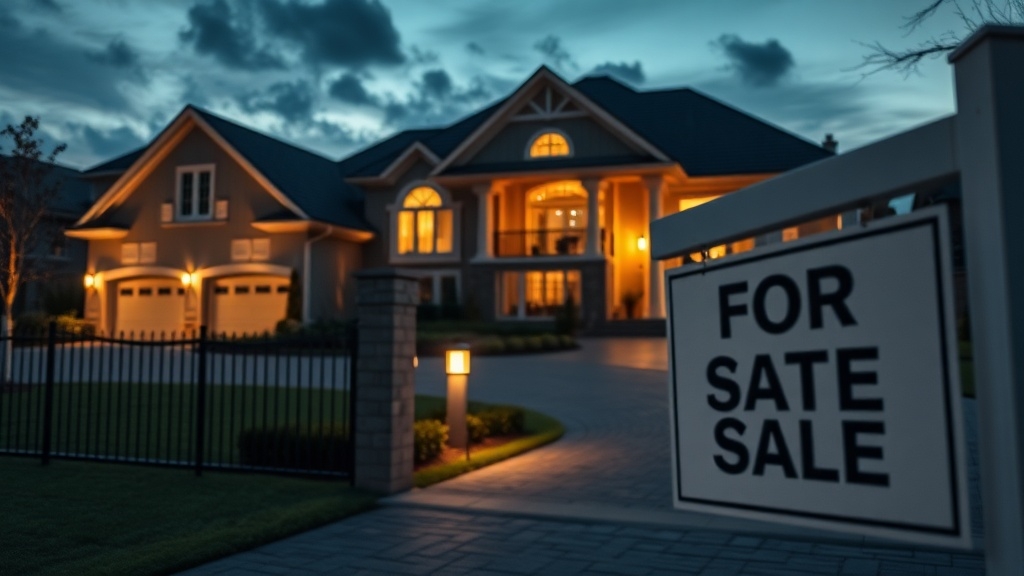
What Private Listings Mean for Sellers
For some homeowners, private listings offer a controlled way to market a property while keeping names, photos, and listing details off public sites such as Zillow and Realtor.com.
This approach addresses privacy concerns by limiting visibility to selected agents and qualified buyers.
It can suit high-end sellers seeking discretion and tighter control over who enters the home.
Private Per Seller List status can further restrict displayed information.
Because these properties use agent-driven distribution, they are often shared through private networks rather than broad public advertising.
Disruption Drops, Exposure Shrinks
Private listings also reduce daily disruption.
Owners often avoid open houses, constant staging, and frequent showings.
Exclusive viewings create a quieter process and support market testing without adding public days on market.
However, limited exposure narrows the buyer pool.
In markets where cash purchases are rising, smaller private networks may still attract serious buyers but exclude many financed shoppers.
Access stays within a smaller network, which can reduce competition, showings, and inquiry volume.
That tradeoff may affect timing and final offers.
Why Agents Recommend Private Listings
Agents often recommend private listings when client privacy, control, and limited disruption matter more than maximum public exposure.
For high-profile or luxury sellers, this approach protects anonymity and limits scrutiny. It also reduces interruptions from open houses, staging, and repeated showings.
Sellers can quietly control who gets access to the property. They can also test pricing without creating public days-on-market history or sending harmful market signals. In fast-moving luxury markets like Scottsdale, where homes over $5 million often sell within 30 days, private listings can help agents quietly gauge demand before a public launch.
Brokerage Pressures and Buyer Targeting
Agents may also prefer private listings because targeted outreach can attract serious, qualified buyers. These buyers often value exclusivity and may act quickly.
Within some firms, agent incentives also play a role. Office exclusives can strengthen a brokerage’s elite image and keep transaction flow in-house.
They can also increase the chance of capturing both sides of the commission. Private marketing gives agents more control over negotiations and offers a soft launch before broader exposure.
How Private Listings Reduce Seller Exposure
Behind the promise of discretion, private listings sharply reduce seller exposure by limiting how many buyers ever see a property.
That limited reach shrinks the buyer pool and weakens discovery.
It also lowers the odds that the most motivated purchaser will appear.
With fewer eyes on a home, offers typically decline.
Bidding suppression becomes more likely.
Pricing Pressure
Less competition often means less money at closing.
Data from 2022 showed MLS-listed homes sold for 17.5% more than privately marketed homes.
For a typical seller, that gap was more than $53,000.
Public exposure also supports stronger terms.
When multiple bidders compete, sellers usually gain more leverage.
Information Loss
Private marketing also removes listings from broader market data.
That opacity fragments comparable sales analysis and reduces transparency.
It can also leave sellers more dependent on brokerage-controlled information during negotiations and pricing decisions.
How Private Listings Create Buyer Risks
Private listings can expose buyers to a narrower, less transparent market. Access often depends heavily on who controls the information.
Buyers may see fewer photos, less pricing history, and weaker comparable sales data. That can make valuation much harder.
Reliance on agent networks can deepen access inequality. It also raises ethical concerns when selective visibility shapes who even learns a home is available.
| Risk | Buyer effect | Market image |
|---|---|---|
| Fewer eyes | Less competition clarity | A dim hallway |
| Thin data | Harder pricing judgment | A fogged window |
| Longer timelines | More uncertainty | A stalled clock |
Private channels can also limit negotiating leverage. With reduced exposure, sellers may test prices without much flexibility.
Studies show MLS homes often sell for more. Private listings can also linger longer, increasing uncertainty and reinforcing an uneven playing field.
When a Private Listing May Make Sense
Even with those buyer risks, a private listing can still serve a defined purpose for certain sellers.
For owners who value privacy, keeping a home off Zillow or Realtor.com can reduce exposure, unwanted attention, and security concerns.
Luxury sellers may also prefer discretion, avoiding public showings, staging, and broad online marketing while remaining anonymous through closing.
Private listings can also support pricing experiments before a formal MLS launch.
By testing interest quietly, sellers avoid public days-on-market history that can make a property appear stale or overpriced.
A hybrid plan may begin off-market, then move public if response is weak.
In other cases, targeted outreach helps unusual homes reach serious, qualified buyers.
Selective showings through agent networks can better match niche properties with buyers who understand distinctive features.
Assessment
Private listings can serve narrow seller goals, including privacy, pricing tests, or controlled access.
Yet reduced market exposure can limit competition, suppress price discovery, and leave buyers with fewer visible options.
Agents may favor these arrangements for strategic or business reasons, but the trade-offs are substantial.
In the United States, private listings remain a consequential choice.
They can reshape bargaining power, transparency, and outcomes in ways many consumers may not fully recognize at the outset.
https://www.unitedstatesrealestateinvestor.com/united-states-agents-sway-private-listing-choices/?fsp_sid=53386


Comments
Post a Comment