Manhattan 7-Building Portfolio Sells for $81M
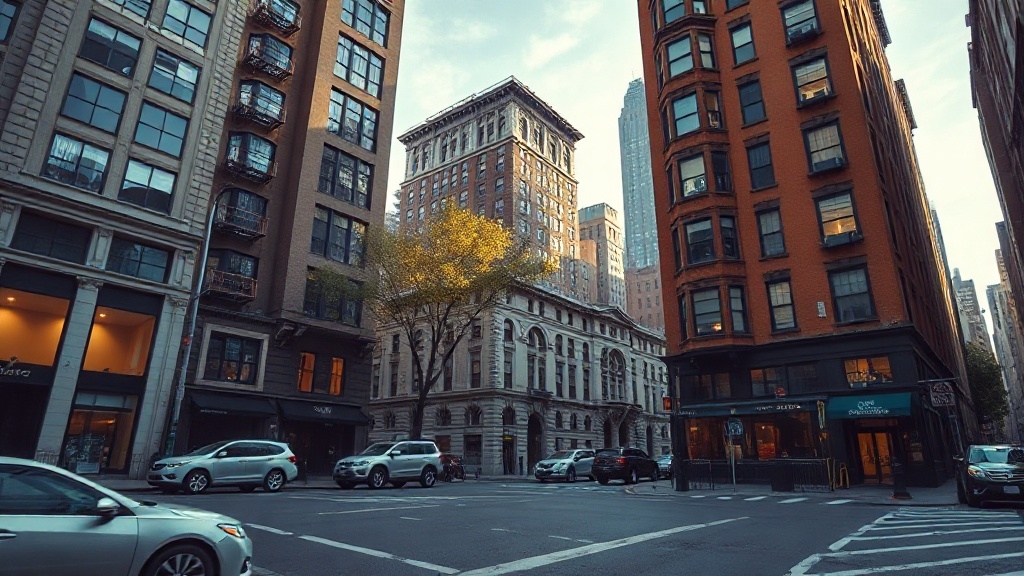
Manhattan 7-Building Portfolio Sells for $81M
A seven-building portfolio of prewar residential properties in Lower Manhattan sold for $81 million in a single transaction, according to public property records.
The package comprised 125 residential units and occupied retail space, underscoring a mixed-use income profile in tightly held neighborhoods.
Public filings show the deal covered Lower Manhattan assets rather than a citywide collection.
One identified property, 185 East Houston Street, is a six-story, 31-unit apartment building on the Lower East Side that recorded a $30.8 million sale price. Buyer Targo Capital Partners acquired the assets from S&H Equities in a seven-property deal.
Retail tenants across the portfolio included Pasta Lab and Ankara.
The transaction highlights continued investor focus on established prewar stock where rent growth and retail demand can shape capital allocation decisions.
JLL’s involvement in marketing the broader S&H portfolio also points to institutional brokerage participation in the sale process.
Who Bought the Portfolio From S&H Equities?
Public records cited in reporting identified Targo Capital Partners, a real estate investment firm, as the buyer from S&H Equities in the Lower Manhattan portfolio sale.
Commercial Observer said the identification came from records made public Thursday. Reporting tied Targo to the seven-property transaction, with 185 East Houston Street specifically named in the transfer record.
Deal Context
The sale volume was widely reported at $81 million, though separate coverage cited $80.5 million, showing a minor discrepancy. The broader transaction involved prewar mixed-use real estate in Lower Manhattan.
Targo’s buyer profile fits continued investor appetite for small-to-mid-size Manhattan multifamily portfolios with occupied retail. Its investment strategy appears aligned with stabilized urban assets assembled through long-term ownership.
Those transaction motives suggest a focus on income durability and neighborhood positioning. Similar to luxury market resilience seen in places like Cave Creek, investors continue targeting assets in supply-constrained areas with strong long-term appeal.
What’s in the 125-Unit Lower Manhattan Portfolio?
At a high level, the portfolio consists of seven Lower Manhattan buildings totaling 125 residential units. This points to a collection of relatively small multifamily assets rather than a single large tower.
The available reporting does not disclose the full building identities, addresses, or formats for all seven properties. That leaves the portfolio defined more by scale and geography than by a complete roster of assets.
As inventory constraints are easing in some markets, first-time buyers may be finding more entry points, though this Lower Manhattan portfolio remains a larger multifamily play.
What the Numbers Suggest
- Seven buildings spread across downtown settings
- 125 units, averaging about 18 per property
- A likely mix of smaller multifamily forms rather than high-rise density
The unit distribution is not specified in source material. Still, the average size suggests mid-rise, walk-up, or low-rise residential holdings common in Lower Manhattan.
The broader submarket includes rentals, condominiums, conversions, and newly opened properties. The exact mix here remains unconfirmed.
Why 185 East Houston Street Led the Sale
Within the seven-building Lower Manhattan package, 185 East Houston Street emerged as the clear pricing anchor.
Its $30.8 million price made it the largest individually identified asset within the $81 million transaction. That gave buyers and observers essential valuation context.
As a six-story, 31-unit Lower East Side property on a major corridor, it combined scale, visibility, and location in a way the rest of the package did not publicly match.
| Factor | Why it mattered |
|---|---|
| Price | Largest disclosed value in the portfolio |
| Scale | 31 units across six stories |
Because public reporting singled out this building with a separate price, it likely became the main reference point for underwriting and negotiations.
That concentration of value helps explain why 185 East Houston Street stood out as the portfolio’s pricing anchor.
What This Deal Means for Lower Manhattan
Against a backdrop of excess office capacity and rising pressure for housing production, the $81 million seven-building sale signals another step in Lower Manhattan’s economic repositioning.
The transaction reflects a market where aging office and institutional assets are increasingly being evaluated for residential reuse, especially in areas with strong transit access.
It also aligns with housing policy goals that favor adding homes on land with limited ground-up development potential.
Signals From the Sale
- Older buildings can be repositioned instead of being left underused.
- Ownership changes may accelerate mixed-use or housing plans.
- Capital can be redirected toward affordability and redevelopment priorities.
For Lower Manhattan, the deal suggests continued movement away from a purely office-centered identity.
It points toward a denser mixed-income district where public value, private investment, and adaptive reuse increasingly intersect.
Assessment
The $81 million sale of this seven-building Lower Manhattan portfolio marked a notable transfer of 125 residential units in a closely watched market.
With 185 East Houston Street driving much of the value, the transaction underscored investor focus on scale, location, and rent-regulated urban housing.
The deal also highlighted continued demand for multifamily assets in Lower Manhattan.
There, pricing, tenant stability, and long-term redevelopment pressures remain central to acquisition strategy and neighborhood change.
https://www.unitedstatesrealestateinvestor.com/manhattan-7-building-portfolio-sells-for-81m/?fsp_sid=42779


Comments
Post a Comment