Raleigh 1900 Home Plan Promises Amenity Arms Race
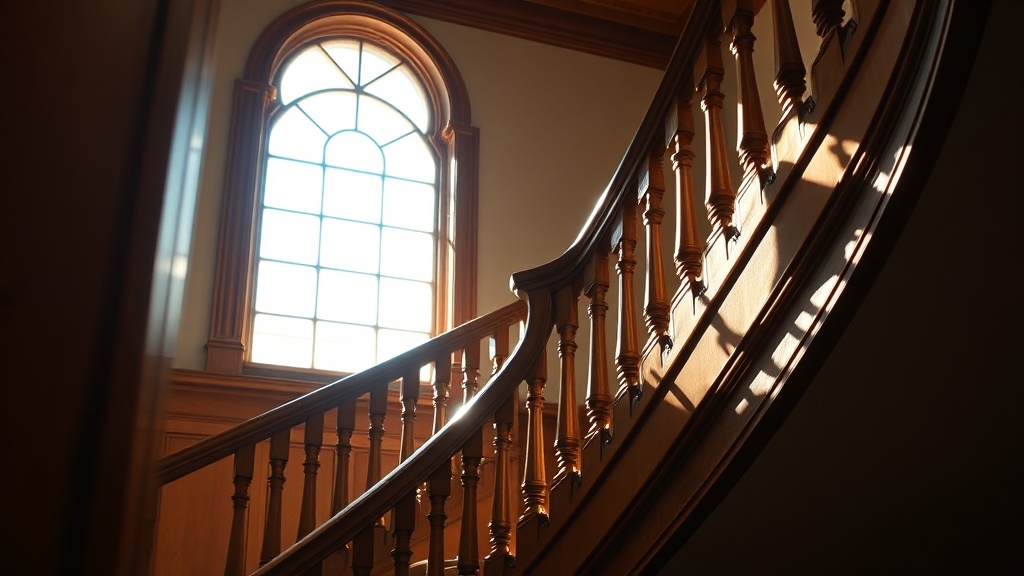
From Victorian Charm to Modern Amenities
Victorian homes in Raleigh captivate with their ornate charm and historical elegance.
However, inside, a quiet revolution unfolds, blending the past with modern living demands.
Victorian Restoration breathes new life into historic exteriors.
It preserves intricate decorative trims and asymmetrical facades.
Interiors, meanwhile, witness Modern Integration.
Here, historical integrity meets contemporary comfort.
Homeowners enhance these vintage abodes with advanced HVAC systems.
Modern kitchen appliances ensure a seamless blend of old-world allure.
They pair perfectly with today's necessities.
The typically snug lot sizes, often ranging from 0.1 to 0.3 acres, shift focus inward.
This allows residents to prioritize interior modernization.
In these homes, historical and technological features harmonize.
They promise an amenity-rich lifestyle embedded in Raleigh's storied architectural scenery.
Victorian Style Homes in Raleigh showcase their stunning wraparound front porches ideal for relaxation and entertainment, adding to their historical charm and popularity.Balancing Heritage and Innovation in Home Design
Balancing the intricate dance between heritage and modern innovation in home design presents a compelling narrative in Raleigh's evolving architectural environment.
Historic preservation is paramount. Original wood floors, moldings, and brick fireplaces effectively enhance property value while maintaining authenticity. Implementing pest control measures further preserves these historic features, ensuring long-term protection and investment longevity.
Updating infrastructure like plumbing and electrical systems guarantees modern functionality without disrupting aesthetic heritage.
Renovations often prioritize refinishing over replacing elements to balance budget with authenticity. Today’s luxury home trends show a preference for spa-inspired master bathroom remodels, which includes incorporating aromatherapy systems for relaxation.
Modern functionality discreetly integrates through updates such as ambient lighting and smart mirrors, assuring comfort while respecting original designs.
Natural materials like wood and stone, along with earthy tones, blend heritage with modern trends.
These careful adaptations allow additions like gourmet kitchens or spa-inspired bathrooms, creating luxury without compromising historical essence.
This synthesis guarantees the city's architectural narrative continues to appeal to diverse contemporary lifestyles.
The Rise of Sustainable and Smart Homes
Navigating the evolving landscape of sustainable and smart homes demands a deep understanding of technological advancements that are transforming residential living.
Smart energy and adaptive automation are at the forefront, enhancing both efficiency and convenience.
AI integration facilitates predictive home automation that orchestrates lighting and climate control, reducing the need for manual adjustments.
AI-driven inventory management optimizes food use and minimizes waste by providing recipe suggestions.
Smart energy systems regulate consumption, scheduling for peak efficiency to maximize savings.
Blockchain energy trading offers economic benefits by monetizing surplus solar power.
These innovations promote personalized living and drive market growth, all while emphasizing sustainability.
IoT-driven reports empower consumers to make informed energy-saving choices, aligning with the rising interest in sustainability.
Meanwhile, advancements in interconnected devices are paving the way toward near-total solar independence.
These developments highlight crucial shifts in residential design and function.
The Impact of Community-Focused Developments
In the realm of modern urban planning, community-focused developments are playing a critical role. They are pivotal in shaping the future of residential areas.
Through mechanisms such as public hearings and community surveys, urban development is being informed by resident feedback. This community engagement process welcomes neighborhood input.
Participatory approaches ensure that policies align with the needs of residents and nurture vibrant communities. Affordable housing initiatives stand as a beacon of this focus.
These initiatives include rental development and homeownership assistance, reflecting community priorities. Here is a breakdown of community-focused efforts:
| Initiative | Method | Impact |
|---|---|---|
| Community Involvement | Public Hearings, Surveys | Informed Planning |
| Affordable Housing | Rental Development, Assistance | Housing Access |
| Neighborhood Improvements | Enhancement Grants, Redevelopment | Community Vibrancy |
These efforts show how community participation is shaping a more inclusive urban environment. They illustrate the concerted actions taken to foster community engagement.
Competing in Raleigh's Evolving Housing Market
Housing prices in Raleigh are fluctuating as the market adapts to changing demand and supply dynamics.
Throughout 2025, a slowdown in price growth is evident. Inventory is increasing and properties are spending more time on the market, creating a more balanced environment.
Buyers now have more room for negotiation due to the availability of more listings. Meanwhile, sellers are employing competitive pricing strategies to attract purchasers.
To avoid prolonged listing periods, sellers are enhancing staging and marketing efforts. There are also opportunities for expansion in emerging suburbs outside the core areas.
In sought-after neighborhoods, demand remains strong despite the broader cooling trend. High mortgage rates are slowing sales further.
Rising evictions suggest that Los Angeles is grappling with similar affordability issues, which may inform strategies to prevent similar trends in Raleigh's housing market.However, the potential for normalizing rates may offer buyers more leverage, sustaining competitive dynamics in Raleigh's evolving market.
Assessment
In Raleigh's booming housing market, a significant transformation is underway. The shift from 1900s Victorian homes to modern, amenity-rich residences signifies a pivotal evolution.
Preserving heritage while integrating cutting-edge technologies and sustainable designs propels home developments into a new era. As community-focused projects gain traction, the competition intensifies.
Builders face the challenge of balancing innovation with tradition. They must cater to a diverse array of buyer preferences and sustainability demands.
This dynamic environment marks a critical turning point. It reshapes Raleigh’s residential development narrative.
https://www.unitedstatesrealestateinvestor.com/?p=65171&fsp_sid=19528


Comments
Post a Comment