DC Shutdown Squeezes Housing, Closings Face Delays
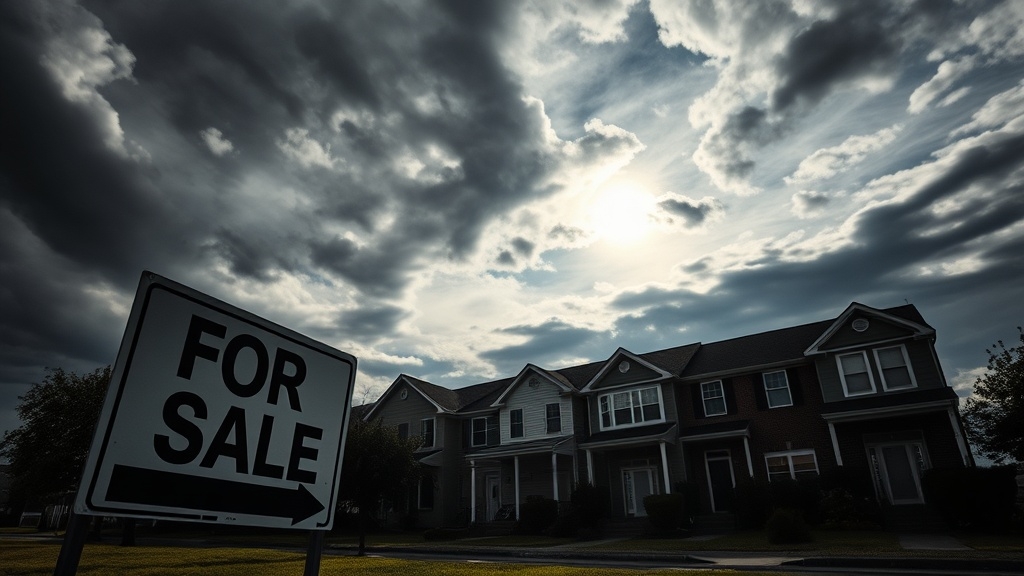
Shutdown Impact on Mortgage Approvals and Housing Programs
The government shutdown disrupts mortgage approvals and housing programs. FHA loans experience potential processing delays due to limited staffing. This creates backlogs for new approvals. In contrast, conventional loans continue smoothly. Fannie Mae and Freddie Mac remain unaffected by the shutdown. Challenges arise in verifying employment and income for federal workers. This can significantly slow FHA loan processing. During this period, borrowers might face longer wait times for approvals and funding. Lenders use alternative measures, like recent pay stubs, for verification. Yet, the efficiency of approvals remains hampered. Housing programs like Section 8 and rental assistance carry on based on prior agreements. However, staff and resource shortages could pose issues if the shutdown persists.
Real Estate Closing Delays and Transaction Challenges
Real estate transactions face significant disruptions during federal government shutdowns. Routine closings become a maze of challenges.
Buyers and sellers encounter closing delays due to multiple transaction complexities:
- Federal pay freezes erode buyer confidence. This stalls contract finalization.
- IRS system outages halt income and Social Security verifications. This extends underwriting timelines.
- Furloughed HR departments delay employment checks, affecting federal workers.
- Suspension of the National Flood Insurance Program ceases policy issuance. Deals needing flood coverage become immobilized.
- Government-backed loans, including FHA, VA, and USDA, slow or halt. This increases finalization delays.
- The increase in housing inventory will be significant if government measures preventing foreclosures are lifted, impacting the real estate market further.
The MoCo real estate experiences some slowdown during shutdowns due to the high concentration of federal employees. The Washington D.C. area experiences particularly pronounced challenges. Federal employment uncertainty fuels hesitancy, compounding these disruptions.
Real estate professionals maneuver through these hurdles. They work to maintain momentum amid complex shutdown consequences.
Broader Economic Ramifications on the Housing Sector
Federal government shutdowns, and their broader economic consequences, significantly impact the housing sector.
Consumer confidence typically takes a hit as uncertainty intensifies. This is especially true for federal employees facing furloughs and delayed paychecks.
The resulting lowered confidence leads to hesitancy in housing investments, reducing homebuyer activity.
When disposable income decreases, the demand for housing-related goods, such as furniture and appliances, also falls.
This impacts markets tied to these items and renovations. Additionally, the shutdown of federal mortgage and housing finance programs like FHA and HUD temporarily tightens credit availability.
This creates backlogs that hinder loan processing. Reduced operations lead to delays in permits, inspections, and housing developments.
These delays further strain the housing supply. Combined with disruptions in consumer and investor confidence, this macroeconomic uncertainty can severely restrict the housing sector's stability and growth.
Assessment
The current government shutdown is exerting significant pressure on the housing sector. It is obstructing mortgage approvals and halting vital housing programs.
Real estate transactions are facing delays. This creates hurdles for both buyers and sellers amidst the uncertainty.
These disruptions carry broader economic implications. They threaten the stability of the housing market.
As the shutdown persists, the compounded effects could undermine investor confidence. It may slow growth in the housing sector, with enduring impacts on economic recovery and development.
https://www.unitedstatesrealestateinvestor.com/dc-shutdown-squeezes-housing-closing-delays/?fsp_sid=19178


Comments
Post a Comment