Maine Historic Home Lists for $1, Demolition Looms
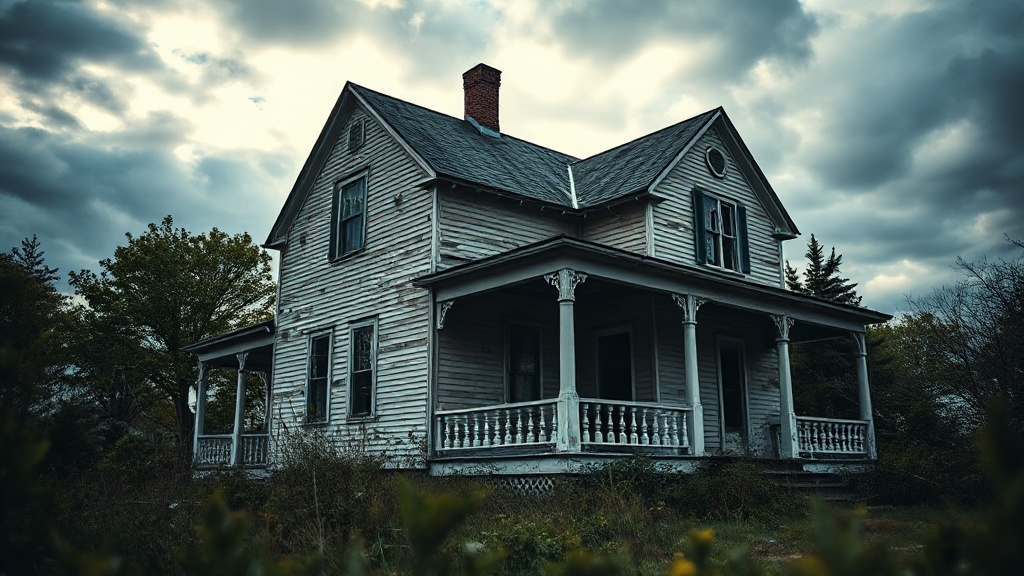
Why Is This Maine Historic Home $1?
One dollar is the stated sale price because General Dynamics Bath Iron Works is not offering the Deering House at 606 Washington St. as a conventional home sale.
Instead, it is selling the structure on the condition that it must be removed from its site.
The roughly 1900 home is historically significant, with ties to shipbuilder Gardiner G. Deering and Bath’s maritime past near the Kennebec River. The buyer must relocate the house by no later than Nov. 20, 2027.
Symbolic Price Reflects Industrial Pressure
BIW is clearing the parcel for a new facility, so the listing functions as a symbolic transfer price rather than a standard real estate transaction. Similar redevelopment pressures have transformed former landmark properties into housing redevelopment sites elsewhere, often eclipsing longstanding local history.
The house is being sold as-is, without warranties.
The nominal $1 cost reflects the major relocation logistics, which outweigh any typical purchase price.
Preservation Value Meets Public Concern
The arrangement suggests an effort to preserve a historic structure before demolition.
That tension helps explain the public concern surrounding a landmark home facing displacement.
What Does Move-or-Demolish Mean for Buyers?
For buyers, a move-or-demolish sale means the house is not being offered as a conventional home purchase. Instead, it is a structure that must be removed from the lot under the contract terms.
These listings are typically sold as-is. The seller transfers the structure while aiming to clear the parcel for future use.
That shifts key buyer responsibilities to the purchaser. These may include permits, site cleanup, and compliance with local requirements. In a tight market shaped by housing shortage conditions, unusual low-price listings can attract outsized buyer attention even when major costs remain.
Planning Realities
If relocation is allowed, relocation logistics become the central issue. The house must be lifted, placed on beams and dollies, transported, then set on a prepared foundation and reconnected to utilities.
If demolition is chosen, the buyer takes on removal rather than restoration. That usually suits preservation-minded buyers, developers, or investors more than a typical homebuyer.
How Much Would It Cost to Save It?
How Much Would It Cost to Save It?
Restoring a historic Maine house bought for $1 can still require a six-figure budget. Essential systems and hidden deterioration often drive costs much higher than expected.
Estimated costs for electrical, plumbing, and HVAC alone can range from about $43,000 to $145,000. Electrical work may run $15,000 to $40,000.
Plumbing may cost $20,000 to $60,000, while HVAC can range from $8,000 to $25,000.
Structural Risks Can Expand the Budget
Foundation stabilization and structural reinforcement can add roughly $5,000 for minor work. Major remediation can reach $50,000 or more.
Historic materials often require specialized contractors. Opening walls or floors can also reveal further decay.
A 20 percent to 30 percent contingency fund is commonly recommended. Window restoration and exterior repairs can also become major expenses.
Preservation funding, including matching grants and tax incentives, may offset part of the total burden.
Why Does Bath’s Deering House Matter?
Why this house matters is rooted in Bath’s shipbuilding history and the man who first lived there.
Built around 1900 for Gardiner G. Deering, the house is tied to a shipbuilder who helped define Bath’s rise as the City of Ships.
From his Kennebec River yard, Deering reportedly built 99 vessels, linking the property directly to the maritime economy that shaped local life.
A Physical Link to Bath’s Past
The home also reflects Bath’s broader industrial story.
Set near Bath Iron Works, it stands along a waterfront corridor that connects wooden-ship production to later shipyard development.
That makes it more than an old residence.
It serves as a piece of maritime memory and community identity, preserving a tangible connection to the workers, businesses, and reputation that built Bath.
What Does This Listing Reveal About Maine Preservation?
At a glance, the $1 listing shows how fragile historic preservation can be in Maine. A building’s survival may depend less on its age or significance than on whether a private buyer can afford to move and reuse it.
Historic status offers only limited protection when market pressures, permitting demands, and relocation costs outweigh a structure’s cultural value. If reuse or removal cannot be financed in time, demolition remains the default outcome.
Adaptive reuse is already part of this story, since the house currently serves as office space.
| Signal | Meaning |
|---|---|
| $1 price | Symbolic only |
| Moving costs | Buyer bears burden |
| Permits needed | Complexity rises |
| 2027 deadline | Timing is critical |
| Media attention | Community advocacy matters |
The listing suggests that preservation in Maine often relies on private actors, a narrow pool of buyers, and strict local land-use rules.
Assessment
The Deering House listing underscores the harsh economics of preservation, especially when land needs, relocation costs, and regulatory timelines collide.
At $1, the structure is not a bargain but a final-window rescue tied to significant financial and logistical burdens.
Its fate reflects a broader pressure facing Maine’s historic housing stock, where architectural value alone may not prevent loss.
Absent a viable move and restoration plan, another piece of local history appears likely to disappear.
https://www.unitedstatesrealestateinvestor.com/maine-historic-homes-listed-for-1-demolition-looms/?fsp_sid=57092


Comments
Post a Comment