Maine Coastal Town Tops Luxury Prices, Buyer Squeeze
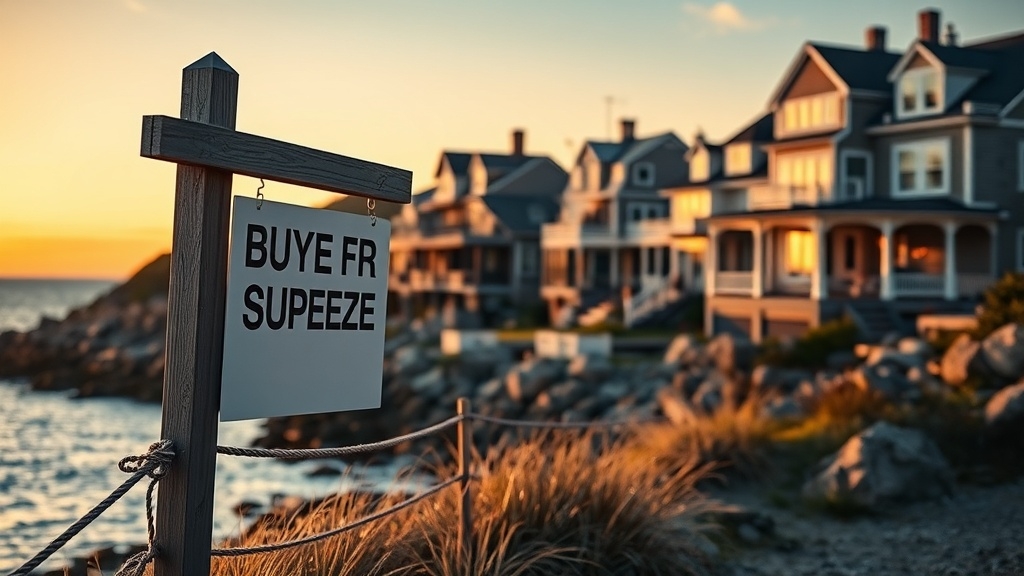
Which Maine Coastal Town Is Most Expensive?
In 2025, Kennebunkport stands as Maine’s most expensive coastal town, with a median home value of $1,069,664.
That figure confirms its lead in Maine’s coastal luxury market and reflects a 153% rise from $422,317 in 2012.
Why Prices Remain So High
Limited inventory, a prized coastal setting, and strong competition for waterfront and near-water homes keep values elevated.
Even after a slight 2025 dip, pricing stayed historically high following sharp gains in 2021 and 2022.
International buyers add pressure at the top of the market, while local supply remains constrained.
Recent listings such as Cape Elizabeth’s Bette Davis estate at $15 million also reinforce how celebrity-linked oceanfront properties shape perceptions of Maine’s luxury ceiling.
Kennebunkport’s broad appeal also draws strength from heritage preservation, scenic character, and long-established prestige. Visitors are also drawn to Dock Square, known for its classic New England atmosphere and local shops.
For year-round residents, these conditions deepen affordability barriers.
Second-home and luxury demand continue to outpace local earning power across the shoreline.
Maine Coastal Town Prices Ranked
Beyond Kennebunkport’s position at the top, Maine’s coastal price rankings show a tight luxury cluster along the southern shoreline. Towns are typically measured by either average sales price or median home value, depending on the source.
Southern Coast Rankings
Lamacchia Realty’s 2024 list was based on average sales price and required at least 100 home sales. It placed Cape Elizabeth second, followed by Falmouth, York, and Yarmouth.
Cumberland, Harpswell, Freeport, Scarborough, and Kennebunk completed the top 10. That reinforces how York County and Cumberland County dominate the upper tier.
A recent Bette Davis sale at $13.4 million also underscored how headline luxury transactions can sharpen attention on Maine’s top coastal markets.
Measurement Differences
These rankings reflect methodology as much as geography. Average sales price captures high-end transactions, while median home value can produce different comparisons.
Even so, coastal towns shaped by seasonal influx and historic architecture consistently rank above inland markets in Maine.
Why Coastal Maine Home Prices Stay High
Scarcity remains the central force behind coastal Maine’s elevated home prices. Inventory is thin, especially in waterfront markets where well-priced homes move quickly.
That gives sellers unusual leverage and helps prices stay firm even when some inland areas cool.
Strong appeal also supports values. Waterfront and view properties carry steep premiums, while remote buyers from higher-cost Northeast markets continue expanding demand faster than supply.
Zoning adds more pressure. Strict lot-size and land-use rules can limit new building.
| Driver | Effect on Prices | Why It Persists |
|---|---|---|
| Low inventory | Supports higher list prices | Few coastal homes available |
| Waterfront demand | Adds premium values | Scenery and access remain rare |
| Development limits | Restricts new supply | Zoning and high building costs |
How Coastal Prices Squeeze Local Buyers
Along Maine’s shoreline, rising home prices are widening the gap between what coastal properties cost and what many local households can reasonably afford.
With Maine’s median sale price at $397,800 and Cumberland County near $548,000, local earnings have not kept pace.
That wage mismatch leaves many year-round workers priced out of towns where values have climbed sharply since 2019.
Scarce Supply Deepens the Pressure
Inventory remains unusually thin, with estimates near 2% statewide and far below a balanced market.
Smaller homes draw intense competition from second-home buyers, remote workers, and investors.
For local households, bidding pressure reduces realistic choices and raises the odds of rental displacement.
Added burdens such as taxes, insurance, heating, and maintenance further weaken affordability even when mortgage qualification appears possible.
How Luxury Resorts Reflect Coastal Demand
Luxury resort demand underscores how strongly buyers and travelers continue to value limited coastal settings.
Premium beach resorts show that shoreline scarcity commands higher spending when paired with exclusive amenities, direct beach access, ocean views, and comfort-focused service.
Global tourism growth, rising disposable income, and affluent travelers in North America, Asia-Pacific, and Latin America continue strengthening demand for high-end coastal lodging and seasonal occupancy.
Market Meaning Beneath the Surface
Luxury resorts indicate that coastal appeal extends beyond housing into hospitality.
Beachfront demand rises when leisure, dining, and recreation are bundled together.
Younger affluent travelers increasingly seek personalized, wellness-oriented seaside stays.
Expanding occupancy in global beach destinations reinforces the pricing power of limited shorelines.
These patterns suggest coastal value is being measured through both property markets and premium travel behavior.
Assessment
Maine’s coastal market remains defined by scarce inventory, luxury demand, and prices that far exceed local earning power.
In towns such as Kennebunkport, premium sales continue to reset expectations across surrounding communities.
That pressure leaves many year-round residents facing shrinking options, longer searches, and growing displacement risk.
Luxury resorts and second-home investment reinforce the same pattern.
The result is a coastline where wealth concentration increasingly shapes access, affordability, and the long-term stability of local housing markets.
https://www.unitedstatesrealestateinvestor.com/maine-coastal-town-tops-luxury-prices-buyer-squeeze/?fsp_sid=40965


Comments
Post a Comment