Tampa Affordability Crisis Takes Center Stage
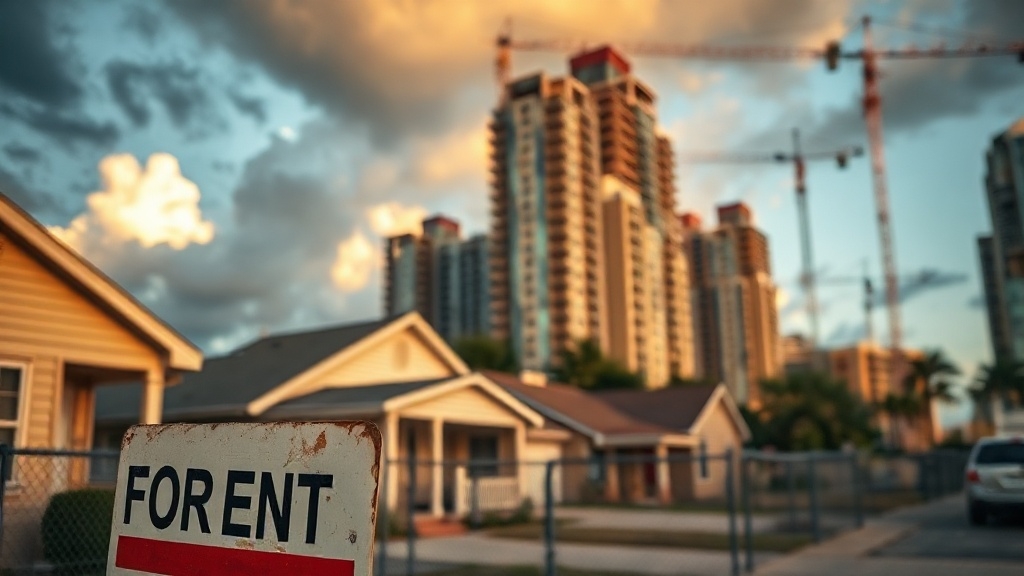
Why Tampa Housing Still Feels Unaffordable
Even as more listings appear, Tampa housing still feels unaffordable because supply remains far below need and incomes have not kept pace with costs.
City findings showed a shortage of more than 26,000 affordable units for households below 50% of AMI. AARP Florida has called Missing Middle Housing a promising solution to expand affordability. A regional estimate placed the shortfall above 80,000 units for households around 80% of AMI.
That gap leaves many workers exposed to wage stagnation and rising rents. Since 2020, home values climbed 58%, while rents rose nearly 50%, deepening the mismatch between pay and shelter costs. The damage to investor confidence seen in cases involving high-return promises also underscores why affordability solutions must be transparent and verifiable.
Ownership burdens also remain severe. Mortgage rates above 7%, higher insurance premiums, and rising property taxes have lifted monthly costs and cut purchasing power.
As a result, lower listing prices alone do not restore affordability across Tampa Bay for many households.
How Tampa Home Prices Changed in 2025
Tampa home prices shifted unevenly in 2025, revealing a market caught between modest annual gains and clear correction signals.
Median prices clustered near $372,292 to $375,947, while Zillow placed average value at $374,105.
That mixed price trajectory showed both a 1.7% annual increase and a 1.2% decline for single-family homes from Q2 2024 to Q2 2025.
In nearby Lakeland, vacancy rates fell to 2.9%, underscoring how tight regional housing conditions continue to shape buyer and renter demand across Central Florida.
Sales Dynamics Under Pressure
Tampa home values fell 4.1% entering 2025, while the broader metro dropped 5.6%.
June 2025 median listing price was $405,000, with homes selling for 98.2% of list on average.
Average time to pending was 29 days, though days on market rose to 52.3.
Forecasts pointed to another 9.7% decline, with some zip codes nearing a 20% correction.
High mortgage rates and insurance costs restrained demand.
Why Tampa Rents Still Strain Households
Sharp rent increases continue to strain household budgets across the region because income growth has lagged far behind housing costs.
From 2019 to 2023, Tampa Metro rents rose 50%, while wages increased about 15%, highlighting wage stagnation.
Median rent was about $1,729 in early 2025, and earlier averages near $2,100 showed how deeply prices had reset. Even with an 8% annual decline, many households remained under pressure.
Income Gap Deepens Strain
Late-2024 estimates found renters needed about $69,400 a year to afford local rents, while typical renter income stayed below $55,000.
Nearly 30% of renters spent more than half their income on housing, limiting money for groceries, transportation, and savings.
Supply shortages and limited tenant protections have kept many households exposed to persistent affordability stress and instability.
Where Tampa’s Affordable Housing Shortage Hits Hardest
The affordability shortfall is most severe in Central Tampa, the USF and Northeast corridor, and among households earning below 50 percent of area median income.
In Central Tampa, consultant projections show a need for 6,100 affordable units over 20 years.
City figures also show a gap of more than 26,000 households and affordable, available units for residents below 50 percent AMI.
Pressure Points
- Central Tampa remains one of the city’s clearest shortage zones.
- USF/Northeast Tampa is projected to need 5,200 affordable units.
- Hillsborough County officials describe inventory as extremely limited.
Around USF/Northeast Tampa, university-driven growth adds pressure to rental supply and workforce housing.
Countywide conditions deepen the strain, with officials citing at least an 11,000-unit shortfall and long waiting lists for housing assistance.
Lower-income renters face the most severe mismatch today.
What Could Improve Tampa Housing Affordability?
Among the clearest paths to relief, city-backed recommendations focus on expanding supply faster and at lower cost. They also emphasize preserving homes already at risk of disappearing from the affordable stock.
Tampa’s advisors support adding 10,000 units by 2027 through faster approvals, parking waivers, tax abatements, and impact fee relief.
They also recommend reducing parking near transit, ending minimum lot sizes, allowing accessory dwelling units, and using height and density bonuses.
Land and Capital Constraints Deepen
A public land strategy would inventory suitable public parcels and support land banking. It could also provide discounted land to nonprofits or community land trusts.
Officials also point to housing trust funds, redevelopment areas, CDFIs, bonds, philanthropy, and impact investing. These tools could strengthen nonprofit capital.
Affordable Stock Faces Ongoing Losses
Preservation financing, property tax relief, and regular needs assessments could help track vulnerable properties. They could also prevent displacement.
Assessment
Tampa’s affordability crisis remains a defining pressure point in 2025. Home prices have shifted, but ownership and rental costs still exceed what many households can comfortably absorb.
The burden falls hardest in lower-income neighborhoods and among essential workers, renters, and first-time buyers.
Without faster supply growth, targeted subsidies, and policy coordination, the gap between wages and housing costs is likely to persist.
For many residents, stable housing in Tampa remains financially out of reach.
https://www.unitedstatesrealestateinvestor.com/tampa-affordability-crisis-takes-center-stage/?fsp_sid=45971


Comments
Post a Comment