California Wine Country Correction Opens Buying Window
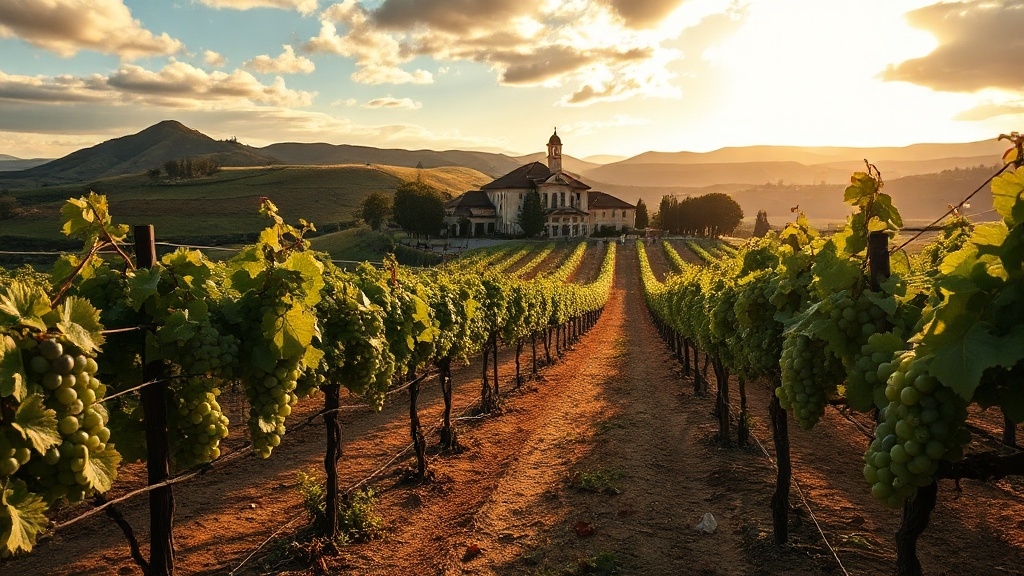
Why California Wine Country Prices Are Falling
Often, California Wine Country prices are falling because the region is producing more grapes and wine than the market can absorb, while demand continues to weaken.
This reflects severe oversupply dynamics. Growers expected 3.2 million tons, yet only 2.8 million were crushed, the lowest in 20 years. Nearly one-third of California bulk wine on the market is more than three years old and faces disposal risk.
Unsold bottles are filling storage and shelves. Some grapes are left unharvested because harvesting costs exceed expected returns.
Demand Is Softening Across Price Points
A consumer shift is worsening the imbalance. Younger buyers are moving away from wine, and visits remain weak despite lower tasting fees.
Shipments under $40 dropped sharply. Napa and Sonoma wineries have cut prices, while average bottle prices in Napa, Sonoma, and Santa Barbara have softened.
Tariffs, Canadian boycotts, and cheap bulk imports have added further pressure on margins and pricing.
When to Buy California Wine Country Assets
Targeting late winter through early spring typically gives buyers the clearest opening in California Wine Country.
In Napa County, February through April often brings rising inventory without the full force of peak competition.
This late winter advantage often pairs higher seller motivation with better negotiating room, particularly for homes listed during winter and carried into spring.
New rules in other markets, including mandatory inspection windows, show how quickly buyer leverage can change when due diligence timelines become standardized.
Pre-Summer Conditions Tighten
Late March through early June remains practical, but leverage usually fades as buyer traffic builds toward Memorial Day and summer.
Prepared buyers tend to benefit most when financing, inspections, and due diligence are completed before the spring rush.
Fall Looks Stronger Than It Prices
August can still offer choice and some price flexibility after spring activity cools.
Where Wine Country Values Are Softest
As the late-winter buying window opens, the weakest pricing in California Wine Country appears outside the core Napa Valley footprint. The softest values are especially concentrated in Lake and Mendocino counties.
Lake County shows some of the clearest discounts. Land is cited at $10,000 to $30,000 per acre, and smaller parcels near Clearlake and Kelseyville begin around $20,000.
Mendocino County also remains comparatively soft. Its land ranges from $15,000 to $40,000 per acre, with some five-acre parcels near Ukiah or Anderson Valley starting around $25,000.
Other Lower-Priced Areas
By contrast, prime Napa vineyards exceed $450,000 per acre. Even outlying Napa areas at $50,000 to $165,000 per acre remain above these levels.
Beyond the North Bay, Colusa County posts some of the lowest land figures at $6,000 to $15,000 per acre. Yolo and Solano counties also screen as lower-cost alternatives.
Which Vineyards and Wineries Offer Best Value
When value is the priority, the strongest winery names tend to sit outside Napa’s prestige tier. In several cases, they’re outside Napa altogether.
Decanter highlights Chateau Souverain, Sebastiani Vineyard, Kenwood, Rodney Strong, St. Francis, Geyser Peak, and Clos du Bois as notable value leaders.
Regions Offering Better Pricing
For Napa-linked buying, Blackstone stands out. Its $12 California Merlot and $17 Napa Valley Merlot show that lower-priced Napa labels still exist.
Carneros remains a key source of bargains for Chardonnay and Pinot Noir. Acacia, Bouchaine, and Gloria Ferrer are all cited for offering sane prices.
Sonoma continues to be a cheaper alternative to Napa. Rodney Strong, St. Francis, Sebastiani Vineyard, and Char Vale Winery all reinforce that reputation.
Beyond both regions, Mendocino may offer the strongest finds. It is repeatedly described as delivering California’s best bang-for-buck.
Central Coast Syrah also remains a leading value in the $10–$20 range.
As in other premium lifestyle markets, concerns about real estate hype show how fast-rising prices can distort perceptions of value.
How to Evaluate a Wine Country Deal
Low bottle prices and bargain appellations do not automatically translate into a sound acquisition.
Deal Screening Under Pressure
Buyers typically begin with land fundamentals.
Soil analysis should cover depth, drainage, fertility, and uniformity.
Water supply, irrigation rights, slope, elevation, airflow, and frost exposure also shape farming risk and grape quality.
They also review whether prior use caused pest damage, vine stress, or soil depletion.
Then they compare adjusted per-acre values against nearby parcels.
Valuation Discipline Amid Correction
Vine age, health, varietal mix, planting density, and yield history indicate stability, cost structure, and production fit.
Asset separation is critical.
Land, vines, buildings, tanks, barrels, and equipment should be valued independently after inspecting condition, capacity, ownership, replacement cost, and depreciation.
Financial review should test revenue, EBITDA, debt, capital needs, comparables, and discounted cash flow assumptions.
Assessment
California wine country is entering a rare repricing phase as higher borrowing costs, weaker luxury demand, and operating pressure reset seller expectations.
The softest values are appearing in select vineyard land, underperforming hospitality-linked assets, and wineries facing margin strain.
Disciplined buyers are finding better entry points, but asset quality, water security, brand strength, and compliance risk remain decisive.
The correction is not a broad collapse.
It is a selective downturn creating narrow, time-sensitive buying windows.
https://www.unitedstatesrealestateinvestor.com/california-wine-country-correction-opens-buying-window/?fsp_sid=56696
Comments
Post a Comment