Seattle Firm Quits Namesake Tower, Office Pain Spreads
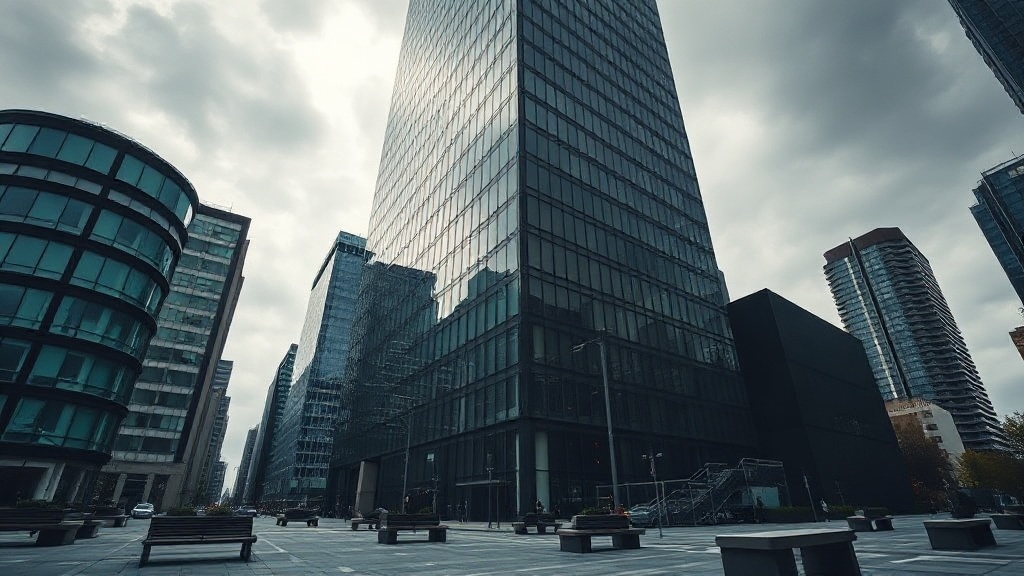
DocuSign Is Leaving Docusign Tower in 2027
DocuSign is set to leave DocuSign Tower in summer 2027, ending its tenure in the namesake downtown Seattle high-rise at 999 Third Avenue.
The reported move follows a summer timeline rather than an abrupt departure.
It concerns DocuSign’s downtown Seattle offices and places the company on a 2027 relocation schedule. The company has signed a lease for 115,000 square feet at JPMorganChase Center, marking the new lease behind the move.
Tower Identity Tied to Tenant
DocuSign Tower, formerly the Wells Fargo Center, is a 47-story skyscraper rising 574 feet with 941,000 square feet of rentable space.
It ranks as Seattle’s ninth-tallest building.
The tower’s tenant identity has been closely linked to DocuSign because the company occupied space there and gave the property its current name. Similar office repositioning efforts in Dallas have centered on Class A amenities and flexible workspaces to attract tenants.
Reporting describes the move as a shift a few blocks north, signaling relocation within the central business district rather than an exit.
Where DocuSign Is Moving and How Much It Leased
A few blocks north of 999 Third Avenue, the company’s next Seattle office will be at JPMorganChase Center beside the Seattle Art Museum. It has signed a 115,000-square-foot lease across multiple floors, with occupancy planned for summer 2027.
The relocation keeps DocuSign in the downtown core while shifting it to a different tower. The new address places the company near existing major tenants including Perkins Coie and Zillow, underscoring the site’s proximity within Seattle’s central business district.
The lease footprint is described as roughly comparable to DocuSign’s current Seattle office at DocuSign Tower, formerly Wells Fargo Center. That suggests continuity more than a dramatic change in space needs.
The company confirmed the planned move, but did not disclose Washington state headcount. That leaves the staff scale behind the upcoming relocation unspecified for now.
The move also comes as JPMorgan has pursued office expansion in other markets, including Tampa, as it refines its broader real estate strategy.
Why DocuSign Chose JPMorganChase Center
Anchoring the move in business continuity, the company appears to have chosen JPMorganChase Center because it can preserve nearly the same 115,000-square-foot footprint while shifting only a few blocks within downtown Seattle.
That same-city relocation supports headquarters continuity and allows a measured summer 2027 changeover.
It also keeps teams on multiple floors that can maintain adjacency for engineering and related functions.
Talent, Access, and Optics
The building’s position beside the Seattle Art Museum strengthens downtown visibility in a prominent corridor of the central business district.
Just as important, remaining downtown keeps the company close to transit, clients, and services.
It also reinforces Seattle’s role as a founding market and major technical hub.
Management’s emphasis on a deep engineering talent base suggests talent retention and recruitment were central.
The office environment also appears to have been framed as offering employees more.
What the Move Says About Seattle Office Demand
Signals from the relocation cut two ways for Seattle office demand.
It points to continued tenant consolidation rather than broad leasing expansion. Regional office vacancy reached 23.1% in the first quarter of 2026, while net absorption stayed negative at minus 486,708 square feet.
That means more space was still being given back than leased, even as the pace of deterioration slowed.
Stabilization, Not Recovery
Downtown shows the sharpest strain. Vacancy hit 32.3% in late 2024, with year-to-date absorption at minus 3.2 million square feet.
Rents near $47 per square foot have held better than occupancy, but limited growth suggests landlords still face pricing pressure.
The demand outlook is therefore improving only marginally. Broker commentary describes conditions as stabilizing at elevated levels, dependent on stronger job growth and sustained leasing momentum.
Other Seattle Towers Losing Major Tenants
Vacancy pressures spread beyond a single address as other Seattle towers also lost large occupants.
In Denny Triangle, WeWork let a 56,000-square-foot lease expire in February 2025, pulling a meaningful tenant from a prominent downtown building.
That departure deepened softness in a corridor closely watched for its concentration of large-format, tech-oriented offices.
Rising Tenant Churn Across Downtown
The big picture was worsening across the Seattle CBD core.
CBRE reported downtown vacancy at just over 34% in 2025, versus a little more than 22% in 2022. The commercial core was nearing four in ten offices empty.
Net absorption was effectively flat as tenant churn kept returning space to market.
About 1.5 million square feet became newly empty, while downtown still lacked roughly 100,000 workers compared with a full office load.
Assessment
DocuSign’s exit from its namesake tower marks another visible setback for Seattle’s office market.
The relocation to JPMorganChase Center reflects a flight to newer, amenity-rich space, while older buildings face rising vacancy risk.
The move adds pressure on landlords already contending with weak demand, expiring leases, and costly repositioning decisions.
As other major tenants reconsider footprints, Seattle’s downtown recovery remains uneven, fragile, and increasingly defined by selective leasing rather than broad-based office growth.
https://www.unitedstatesrealestateinvestor.com/seattle-firm-quits-namesake-tower-office-pain-spreads/?fsp_sid=43409


Comments
Post a Comment