Virginia Insurance Costs Squeeze Homebuyers Hard
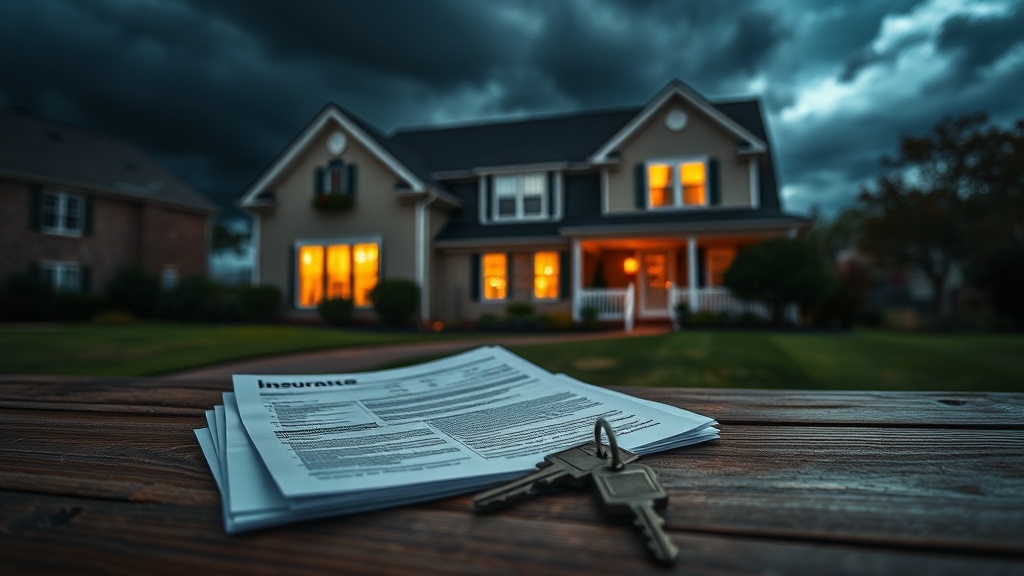
What Does Virginia Homeowners Insurance Cost in 2026?
With Virginia homebuyers already confronting elevated monthly costs, homeowners insurance in 2026 is expected to range from roughly $1,445 to $2,762 per year, depending on coverage assumptions, carrier pricing, and location.
That wide range reflects meaningful differences across data sources.
Some estimates cluster near $1,445 to $1,840, while others place average annual costs above $2,100. Northern Virginia projections reach about $1,950 to $2,100. Virginia’s statewide average is about $1,558/year, or roughly $130 per month.
Pressure Points Driving Bills Higher
Location remains a decisive factor. Coastal and Northern Virginia markets generally post higher premiums than many inland areas.
City- and ZIP-level data also show sharp local variation. In some Virginia Beach-area neighborhoods, rates run far above statewide averages.
The credit impact can be severe. Policyholders with poor credit may face premiums around $4,105 annually.
Buyers also confront deductible tradeoffs. Lower deductibles often push premiums higher, even when overall coverage assumptions look similar.
How Do Virginia Insurance Rates Change by Coverage?
Rising coverage limits can sharply reset the cost of homeowners insurance in Virginia.
Coverage tiers show how premiums climb as protection expands.
Average annual cost is $622 for $100,000 in dwelling coverage, versus $2,002 for $500,000.
Moving from $300,000 to $400,000 in dwelling protection adds about $379 per year.
Texas offers a warning sign, as 30% rate surge pressure in Houston shows how fast insurance costs can strain affordability and slow home sales.
Liability and Deductible Pressure
Higher liability limits also lift the base premium.
A standard policy often includes $100,000 in liability coverage, while raising that to $300,000 typically adds $150 to $250 annually.
Deductible strategies can offset some of that pressure.
A $1,000 deductible is commonly used for comparisons, but increasing deductibles from $500 to $2,500 can reduce premiums by 15% to 25%, depending on the carrier.
Add-on protections such as equipment breakdown or pet liability can further raise totals.
Which Virginia Cities Have the Highest Homeowners Insurance?
Homeowners insurance costs in Virginia do not rise evenly by location, and city-level differences can be severe.
Virginia Beach posts the state’s highest major-city totals, with standard annual premiums around $3,498 to $3,650. Norfolk follows at roughly $2,232 to $2,325, while Chesapeake ranges from $2,169 to $2,200.
Hampton also ranks high at about $2,032 per year. These coastal premiums place southeastern cities well above many inland markets.
Peninsula Hotspots and Lower-Cost Contrast
Among peninsula hotspots, Locustville records the highest statewide average at $3,223 annually. Rates there run about 30 percent above the Virginia norm.
Why Do Virginia Homeowners Insurance Rates Vary?
Across Virginia, homeowners insurance rates vary sharply because insurers price policies according to local hazard exposure, rebuild costs, borrower risk profiles, and fast-changing market conditions.
Coastal markets such as Virginia Beach face premiums near $2,940 to $3,095 because hurricane danger and tidal flooding raise underwriting criteria and expected claims.
Inland cities like Winchester average about $1,031, reflecting lower storm surge exposure.
Central and western areas absorb increases tied to heavy rainfall and flash flooding.
Cost Drivers Intensify
Coverage levels also shift prices materially.
A $200,000 dwelling often costs $1,400 to $1,700 annually, while $500,000 in rebuilding value can reach $2,700 to $3,400.
Credit history further changes pricing, with poor credit averaging $4,105 yearly.
Climate migration, inflation, and recent severe weather have tightened carrier pricing, pushing statewide increases higher.
Nationally, resource stress and disasters tied to water scarcity are also reshaping how insurers assess long-term property risk and pricing.
How Can Virginia Homeowners Lower Insurance Costs?
Virginia buyers facing higher premiums still have several ways to cut insurance costs without stripping coverage.
Owners can raise deductible levels from $500 to $1,000 or $2,500. This often trims premiums by 10% to 25%, though lender rules and out-of-pocket exposure matter.
They can also bundle policies. Home and auto combinations commonly save 10% to 25%, or about $403 annually in Virginia.
| Strategy | Typical savings | Key caution |
|---|---|---|
| Raise deductible | 10%-25% | Higher claim costs |
| Bundle policies | 10%-25% | Compare coverage |
| Safety upgrades | 5%-15% | Upfront installation cost |
Other Pressures on Premiums
Security systems, smoke detectors, stronger roofs, and paperless billing can add smaller discounts.
Strong credit, timely payments, and fresh quotes every 12 to 24 months also help contain premium growth.
Assessment
Virginia homebuyers in 2026 face a harsher affordability picture as homeowners insurance adds meaningful pressure to already strained budgets.
Costs shift sharply by coverage level, property risk, and location. Higher premiums are concentrated in vulnerable and high-value markets.
The result is a more fragmented housing environment where insurance is no longer a minor closing expense.
It is now a recurring cost that can alter purchasing power, loan qualification, and long-term ownership stability across the state.
https://www.unitedstatesrealestateinvestor.com/virginia-insurance-costs-squeeze-homebuyers-hard/?fsp_sid=51031


Comments
Post a Comment