Seattle Once-Affordable Area Faces Price Shock
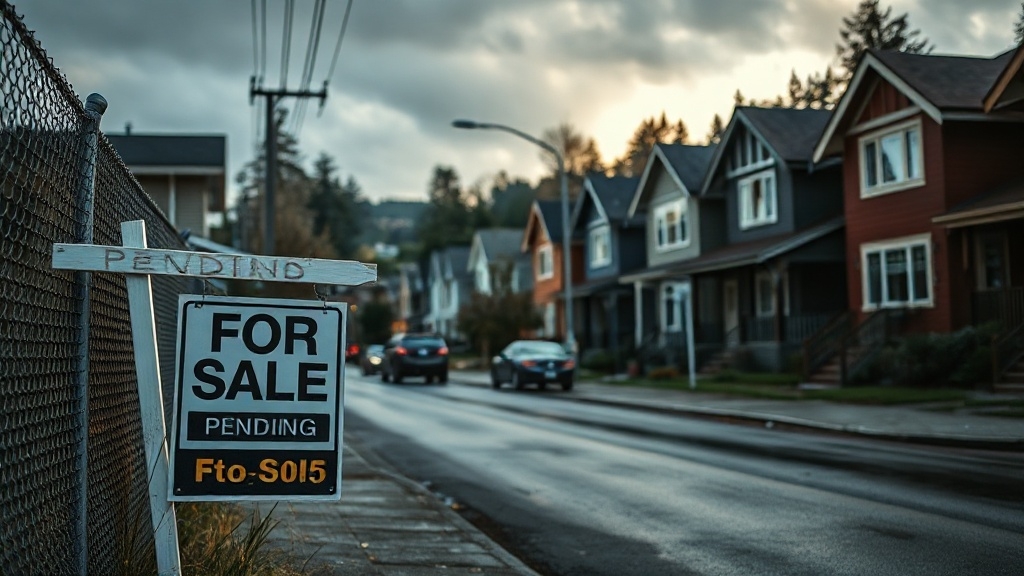
Why Seattle Homes Are Still Unaffordable
Across Seattle, housing costs remain out of reach because supply is still far too limited for the level of demand pressing on the market.
Inventory has hovered near 1.4 months, far below the roughly six months associated with balance. That shortage lets sellers command more as buyers compete for few listings.
Lot scarcity also raises land costs, especially in desirable neighborhoods. Seattle’s location between Puget Sound and Lake Washington creates geographic limits that restrict outward expansion.
Demand Keeps Pressure High
A strong regional economy, led in part by Amazon and Microsoft, continues drawing well-paid workers and new households. Population growth has outpaced construction, while the city’s amenities sustain buyer interest even during slower periods. Even with inventory growth in Seattle, supply remains well below the level typically needed to meaningfully improve affordability.
Rules Still Constrain Growth
Historic single-family zoning has limited denser housing options such as townhomes and apartments.
Many analysts argue zoning reform is necessary because restricted development keeps scarcity in place and prices elevated.
How Much Income Seattle Homebuyers Need
Nearly every major affordability measure points to the same conclusion: buying a typical Seattle-area home now requires an income far above what many local households earn.
Recent estimates cluster around $214,000 to $215,000 a year for a typical home. A later estimate placed the figure near $193,000, but all income thresholds remain well above Seattle’s median household income, reported around $126,000 to $132,000. This pressure is reinforced by the Seattle median rent reaching $2,026 in March 2025, underscoring how housing costs are rising across both buying and renting.
Starter Home Gap Persists
For first-time buyers, the starter home gap is smaller but still severe. Redfin placed the needed income at roughly $173,000 to $178,000, depending on timing and mortgage rates.
That means many households earning near the local median still fall short. The strain is reflected in payment burdens, with buyers often devoting about 42 percent to 54 percent of earnings to housing costs.
Why Lower Seattle Prices Still Don’t Help Much
Even with recent price declines, Seattle-area housing remains out of reach for many buyers because monthly mortgage costs are still too high.
A modest price drop has not erased the mortgage burden created by elevated rates and still-high home values.
Even after declines, typical prices remain far above what local incomes can support. The downpayment gap also continues to block many first-time buyers.
A 10% price decline still leaves the income needed to buy a typical home above $220,000. That is far beyond Seattle’s median household income.
Households earning roughly $97,000 to $100,000 can afford only about $350,000 with 20% down.
Median prices near $750,000 to $840,000 show how limited recent declines have been.
Supply constraints and borrowing costs keep the market looking calmer. But they still have not made homeownership broadly affordable.
How High Seattle Prices Are Spreading Nearby
As Seattle home prices remain anchored around roughly $799,000 to $861,000, the affordability strain is no longer confined to the city itself.
Price pressure is moving outward across King County and into nearby commuter towns as buyers search for lower entry points.
With roughly half of Washington’s housing stock concentrated in King County and surrounding counties, Seattle’s costs transmit quickly into adjacent markets.
Tight Conditions Beyond the Core
West Seattle listings near $899,000 and Bellevue supply around 1.4 months show limited relief outside downtown.
Eastside condo prices near $728,000 also indicate that demand remains strong in suburban areas.
Families seeking access to respected school districts are adding competition in nearby communities.
Even where listings have risen, prices have stayed relatively firm, showing that affordability stress is spreading regionally.
What Seattle Renters Pay and Why It Hurts
The same affordability strain pushing homebuyers beyond Seattle is hitting renters inside the city just as hard. Average rent is about $2,106, with one-bedrooms near that level and two-bedrooms often ranging from $2,695 to above $2,800.
That creates a clear rent burden for households without mid-$80,000 incomes.
- Seattle rents sit well above many national benchmarks, though estimates vary by source. A typical renter needs roughly $80,000 to $84,600 yearly to stay near the 30% affordability rule.
- Costs do not stop at lease signing, because a basic utility squeeze adds about $274 a month. Food, transportation, healthcare, and a 10.1% sales tax deepen the monthly strain.
Within city limits, rents also outpace the broader metro, showing stronger demand and sharper pressure.
Assessment
Seattle’s housing market remains punishing despite modest price declines. High mortgage rates, elevated monthly payments, and income requirements continue to shut out many buyers.
The strain is no longer limited to the city. Affordability pressure is spreading into nearby communities with lower wages and rising home values.
Renters face the same imbalance, with costs consuming large shares of household income. The result is a regional affordability crisis with fewer realistic options for working households.
https://www.unitedstatesrealestateinvestor.com/seattle-once-affordable-area-faces-price-shock/?fsp_sid=43031


Comments
Post a Comment