Florida Agents Crown One City, Buyer Rush Builds
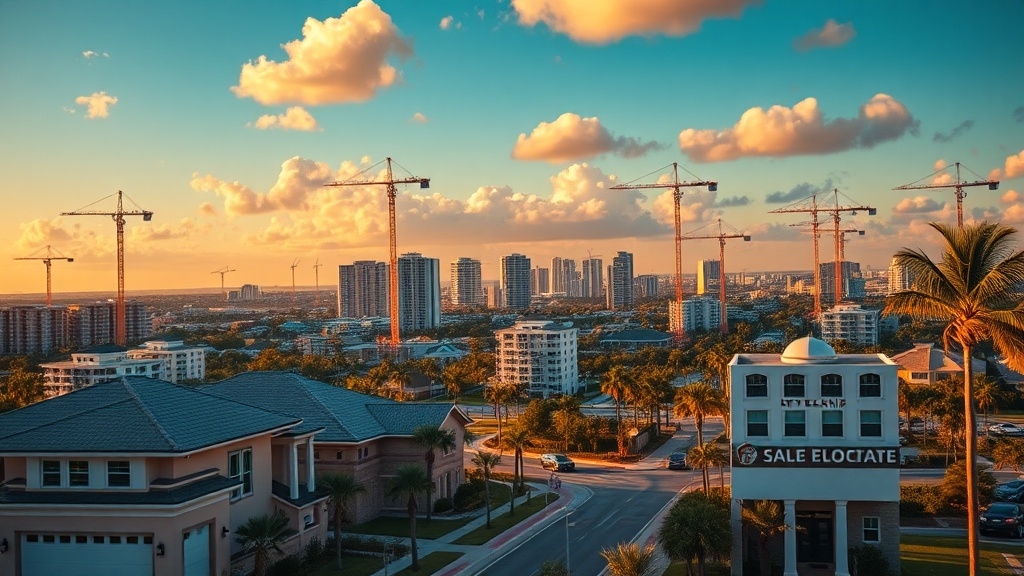
Why This Florida City Stands Out in 2026
Often, Vero Beach stands out in 2026 because it is growing at a steady, intentional pace rather than through the kind of rapid expansion that has strained livability in other Florida markets.
That pattern gives the city unusual distinction across Florida. It reflects intentional growth, not overextension, while supporting lifestyle preservation and keeping community character visible. Elsewhere, urban redevelopment debates such as Los Angeles' affordable housing units push show how growth can also raise questions about displacement and community inclusion.
Vero Beach also benefits from breadth in new construction. Builders such as GHO, D.R. Horton, and DiVosta are adding neighborhoods across multiple price points.
This creates momentum without making the market feel crowded. Its coastal charm remains central to the city’s identity.
Beach access, neighborhood choice, and traffic calm reinforce everyday livability for both seasonal residents and full-time households. In nearby South Florida, Fort Lauderdale’s appeal in 2026 is also being lifted by record cruise growth at Port Everglades and major investments in its convention and waterfront districts.
In 2026, that balance of activity and restraint is what makes Vero Beach notable statewide.
What’s Fueling Buyer Demand Here
Driving demand in Vero Beach is a mix of migration, payment sensitivity, and lifestyle recalibration shaping buyer decisions across Florida in 2026.
Even with slower inflows than pandemic peaks, demographic migration continues supporting purchases statewide. Reports from early 2026 showed more than $126 million in acquisitions by movers from high-tax states within 60 days.
That backdrop helps explain why interest remains durable in attractive coastal markets. Similar Sun Belt patterns, including Houston’s millennial influx, show how migration can intensify housing demand and affordability pressures.
Payments and Lifestyle Pressures
Mortgage rates remain a decisive trigger because Florida buyers often anchor decisions to monthly affordability.
When rates drift toward the mid-5% range, sidelined households tend to return faster than in many states.
At the same time, rental pressure is raising the appeal of fixed payments.
Preference shifts also matter. Many buyers are prioritizing larger homes, outdoor space, flexible layouts, and room for multigenerational living.
How Inventory Is Changing Competition
Inventory conditions are tightening again across key Florida markets, reshaping competition after a period when rising supply had given buyers more room to negotiate.
Active listings rose only 5% year over year in December 2025, well below the national 12% pace.
By early 2026, Florida single-family inventory showed no monthly gain, while sales rose for eight straight months as supply fell.
Competition Turns Uneven
That shift is reducing buyer choice and increasing localized scarcity, especially in South Florida.
Palm Beach County inventory fell 8% and Broward declined 7% in early 2026, but competition remains uneven by neighborhood, price point, and property type.
This is producing tiered competition rather than a uniform statewide squeeze.
Some segments still reflect balanced conditions near 5.1 to 5.3 months of supply, while well-positioned sellers are regaining leverage in tighter pockets.
Where Home Prices Stand in 2026
Where prices stand in 2026 depends heavily on which measure is used, but statewide figures cluster in the high-$300,000s to low-$400,000s as Florida shifts into a more stable phase.
Most readings place the statewide median between about $394,000 and $420,000. One estimate shows single-family homes near $410,000 in early 2026, up roughly 6.5% from late 2024.
Others show a 1.3% year-over-year dip, reinforcing a picture of price stabilization rather than renewed acceleration.
Regional differences remain pronounced across the state. Some metros, including Crestview-Fort Walton Beach and Tampa, still post gains, while Panama City, The Villages, and Cape Coral-Fort Myers show declines.
Property type also matters. Single-family pricing appears more resilient, while condo pressure is stronger, with some reports showing condo values down nearly 10% statewide.
What Buyers and Sellers Should Do Next
As Florida moves deeper into a more balanced housing market, both buyers and sellers face a scene that rewards discipline over speed.
Buyers Face Wider Choice
Buyers now hold more leverage than during the pandemic boom, especially where inventory has expanded and homes sit longer.
They are better served by comparing recent sales, tracking days on market, and preserving room for inspection timing and repair negotiations.
Financing readiness remains critical because attractive listings can still move quickly in stronger neighborhoods.
Sellers Confront Sharper Competition
Sellers face higher risk when pricing aggressively as comparable listings grow and buyers become more selective.
Homes that are well-staged, clean, and move-in-ready are better positioned to secure stronger offers.
Concessions such as repair credits, closing-cost help, and flexible terms are increasingly part of successful deals.
Assessment
Florida agents increasingly point to one city as a dominant 2026 market, driven by rapid buyer inflows, tightening selection, and sustained price pressure.
The local housing milieu reflects a sharp imbalance between demand and available homes, intensifying competition across key neighborhoods.
As inventory shifts and affordability strains deepen, both buyers and sellers face a more volatile environment.
Current conditions suggest this city will remain a focal point of Florida housing activity unless supply expands meaningfully.
https://www.unitedstatesrealestateinvestor.com/florida-agents-crown-one-city-buyer-rush-builds/?fsp_sid=42443


Comments
Post a Comment