How Co-Living Can Turn Pain Into Purpose and Fulfillment with Sam Wegert
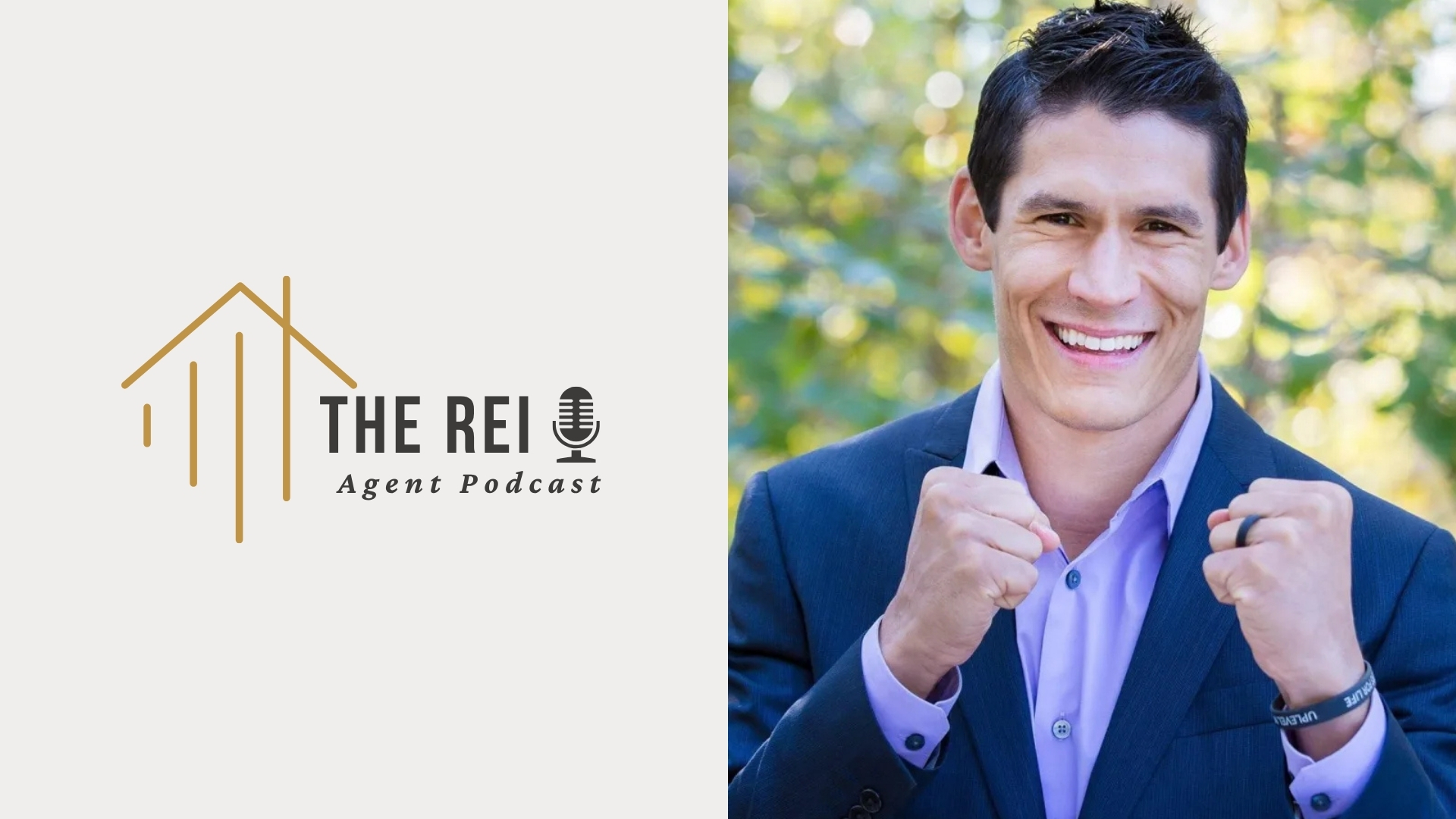
Key Takeaways
- Sam Wegert’s co-living journey started by accident when he realized that renting rooms solved both affordability and loneliness.
- Advanced house hacking can help agents and families build cash-flowing assets without immediately living with tenants.
- Co-living becomes powerful when investors treat clean, quiet, safe housing as both a business model and a social mission.
United States Real Estate Investor®
The REI Agent with Sam Wegert
https://youtu.be/OjKenOGqtRI
United States Real Estate Investor®
Value-rich, The REI Agent podcast takes a holistic approach to life through real estate.
Hosted by Mattias Clymer, an agent and investor, alongside his wife Erica Clymer, a licensed therapist, the show features guests who strive to live bold and fulfilled lives through business and real estate investing.
You are personally invited to witness inspiring conversations with agents and investors who share their journeys, strategies, and wisdom.
Ready to level up and build the life you truly want?
Follow and subscribe to The REI Agent on social
Youtube
X-twitter
United States Real Estate Investor®


United States Real Estate Investor®
When Success Stops Being Enough
Sam Wegert came on The REI Agent Podcast with a story that was bigger than investing, bigger than cash flow, and bigger than simply finding another way to make money.
His journey moved through martial arts, entrepreneurship, financial independence, house hacking, co-living, loneliness, affordable housing, faith in community, and even a major personal transition that led him to Colombia.
On paper, Sam looks like the kind of guest people expect to talk only about strategy. He built martial arts schools. He became financially independent at a young age. He built a co-living model that produces serious cash flow. He teaches other people how to do the same.
But underneath the numbers is a deeper message.
Sam’s story is about what happens when a person realizes that wealth without connection can still feel empty.
"I realized that I'm living for cheap. I'm making a few hundred dollars a month to live in my house, which is pretty cool for a young guy that's trying to make it. And I'm not lonely anymore."
That one realization changed everything.
The House That Was Too Quiet
How One Empty Home Sparked a New Mission
Sam did not begin his journey trying to become a co-living expert. He simply bought his first house and expected to enjoy the peace.
After growing up in a busy household with eight kids, a quiet house sounded like freedom. No more crowded rooms. No more constant noise. No more siblings everywhere.
Then he moved in and felt something unexpected.
"I immediately realized it's too quiet and I'm used to commotion."
That silence became the beginning of something powerful.
Instead of sitting alone in the quiet, Sam started renting out rooms. A foreign exchange student from Mexico moved in. A local guy needed an affordable room. Another room was created from part of the living space.
Before long, Sam realized he was doing something that solved more than one problem.
His housemates were getting affordable housing. He was lowering his own living costs. The home had energy again. Nobody was isolated.
That was the moment co-living became more than a clever strategy.
It became a calling.
The Accidental Investor Who Found a Bigger Purpose
From Martial Arts Discipline to Real Estate Systems
Before Sam became known for co-living, he built his first business through martial arts. His mother originally put him in martial arts to build confidence and discipline.
That decision shaped his life.
Martial arts taught him structure. It taught him patience. It taught him personal responsibility. It gave him a place to excel when he was a homeschooled kid trying to find his own identity.
Later, those same lessons helped him build businesses and manage homes full of people.
Sam did not stumble into success because he had perfect timing. He built systems. He tested limits. He learned by doing. He adjusted when things broke.
He bought one house, kept it, moved to the next one, and continued repeating the process.
"I really wasn't trying to be a real estate investor. I ended up being this massive house hacker."
That is what makes his story so powerful for agents and investors.
Sometimes the path does not announce itself in advance. Sometimes a person simply follows the next practical step, solves the next painful problem, and wakes up one day with a model that can change lives.
Advanced House Hacking for People With Families
The Strategy That Removes the Biggest Excuse
One of the biggest objections Sam hears is simple. People like the idea of house hacking, but they do not want to live with strangers.
That objection becomes even stronger when someone has a spouse, kids, or a family rhythm they do not want to disrupt.
Sam does not ignore that concern. He built a strategy around it.
Instead of forcing families to live with other people, he teaches them to buy the right kind of house first. They live in it as a family for at least a year, using a primary residence loan if possible. Then, after the proper timing, they move into the next house and convert the first one into a co-living home.
"You actually never live with someone because they're always like one house ahead of them."
That is why he calls it advanced house hacking.
For agents who want to start investing, this can be a major mindset shift. They do not have to choose between family comfort and future cash flow. With the right planning, they can move one step ahead and build an asset that helps working people afford a better life.
It is not easy. Moving a family takes sacrifice. But Sam’s point is clear. A few hard years can create a much stronger future.
The Room Is the New Apartment
Why Co-Living Is Meeting a Real Need
Sam’s co-living philosophy is not built around flashy design or short-term hype. It is built around a simple reality.
Many working people are being priced out of traditional housing.
They may work at airports, warehouses, call centers, repair shops, distribution centers, and other essential places. They may earn $15 to $30 an hour. In many cities, that is still not enough to comfortably afford a private apartment.
Co-living gives them another path.
"For me, I call it the room is the new apartment."
That sentence carries weight because it does not pretend the old American dream looks the same for everyone today.
Some people do not need a big apartment. Some people need a clean, quiet, safe room where utilities are included, the house is managed well, and the cost allows them to breathe.
Sam sees co-living as a bridge between affordability and dignity.
It is not just a room. It is a chance for someone to spend less on housing and more on building a life.
Clean, Quiet, Safe, and Human
The Three Rules That Make Co-Living Work
Sam is clear that co-living can become a nightmare if it is not managed correctly.
He breaks the model down into three core rules.
It has to be consistently clean. It has to be consistently quiet. It has to be safe.
"If you don't do these three things, you lose and you're going to hate your life."
Those rules may sound simple, but they require structure.
Clean means common spaces cannot become dumping grounds. Quiet means the home has to respect people’s need for rest. Safe means expectations, screening, locks, cameras in proper common areas, and clear rules must all work together.
Sam also adds a fourth bonus piece.
Community.
That may include pizza nights, holiday decorating contests, board games, group chats, or small gestures when a member is going through a hard time. These details may sound small, but they remind people that the home is not just a building.
It is a living environment.
That is where Sam’s childhood shows up in the business. A large family needs systems. A co-living house needs systems too.
"I really should thank my mom for this business that I get to do."
That line feels funny, honest, and powerful all at once.
Sometimes the skills that build a business were planted years earlier in ordinary family life.
Co-Living Is Not a Party House Strategy
Why Sam Pushes Back Against the Neighborhood Fear
One of the strongest parts of the episode came when Sam addressed the fear that co-living destroys neighborhoods.
He does not describe his homes as wild, noisy, chaotic places. He describes them as calm, managed, and structured.
He says investors must choose the right neighborhoods, respect parking, maintain the property, and avoid forcing the model where it does not fit.
The basics matter. Trash cans cannot sit out too long. Grass cannot be ignored. Parking cannot become a problem for neighbors.
Sam even calls one of the first rules trash cans and grass.
It sounds simple because it is. But simple does not mean small. In co-living, small management problems can become big community problems fast.
"When you check the box, you can almost not know that this home is a co-living."
Sam also made a bold comparison.
He believes co-living homes can be better for neighborhoods than short-term rentals because people actually live there. They are not coming in for a weekend party. They are calling it home.
That changes the energy.
The Legal Side Requires Serious Respect
Why Investors Cannot Wing It
Sam also discussed zoning, legal structures, membership agreements, and the importance of understanding whether a city is friendly to co-living.
He was careful to explain that he is not a lawyer and was not giving legal advice.
That matters.
Co-living can touch local rules, occupancy questions, zoning concerns, fair housing debates, and neighborhood standards. Investors cannot casually assume that what works in one city will work everywhere.
Sam explained that his team looks at how a city treats co-living, whether it is actively enforcing certain rules, and whether it has an appetite for affordable housing solutions.
The bigger lesson is not to be reckless.
The bigger lesson is to be prepared.
Great investors do not just chase cash flow. They study the rules. They respect the market. They build a model that can survive scrutiny.
Colombia, Hustle Culture, and a Different Kind of Wealth
When Life Becomes More Than the Grind
One of the most meaningful parts of the conversation had nothing to do with bedrooms, leases, or rent.
It had to do with Sam’s life in Colombia.
Sam shared that he was going through a separation and had started talking more openly about it. That life transition helped lead him into a new season.
He had always wanted to live overseas. He wanted to learn Spanish. He wanted a slower pace.
In Colombia, he found something different from the American hustle culture he had known for years.
"Nobody asks me ever how much money, nobody asked me what car I drive. Nobody cares."
That sentence may hit many entrepreneurs hard.
So much of success culture trains people to measure themselves by income, output, titles, cars, doors, followers, and wins. Sam described a place where people seemed to care more about meals, hikes, friendships, conversations, and time together.
That does not mean he stopped working. He admitted the hustle is still in him.
But he is learning to question what kind of life all that work is supposed to create.
The Deepest Problem Co-Living Can Help Solve
Affordable Housing Is Only Part of the Story
Near the end of the episode, Sam shared the heart of his mission.
He talked about preparing for a TED Talk and studying the social impact of co-living. That preparation pushed him deeper into two major issues in America.
Homelessness and loneliness.
Sam’s message was not that co-living solves every problem. It does not.
But it can help with two painful needs at the same time. It can create more affordable housing, and it can create more human connection.
"This co-living works because it's solving two massive problems. You're solving affordable housing."
Then he brought the emotional weight.
"And we're solving loneliness."
That is the part that turns the strategy into something more meaningful.
There are people surrounded by digital connection who still feel alone. There are people smiling in public while silently struggling in private. There are people who need a place to sleep, but also need a place where they feel seen.
Sam’s model does not just ask how much rent a room can produce.
It asks whether a home can help people live better.
The Book That Changed How Sam Thinks
Why Loving What Is Matters for Entrepreneurs
When asked about a favorite book, Sam did not choose a traditional investing book.
He chose Loving What Is by Byron Katie.
That choice fit the deeper tone of the episode. Sam described the book as a tool for challenging painful thoughts.
For entrepreneurs, that is powerful.
Business owners constantly face thoughts like:
Can this work?
Am I crazy?
What if I fail?
What if everyone else is right?
Sam explained that the work of questioning those thoughts has become part of his everyday life.
"Immediately my brain goes, is that really true?"
That pause can change everything.
Before a person quits, panics, lashes out, or shuts down, they can ask whether the painful thought is actually true. They can create space between fear and action.
That is not just helpful in business.
It is helpful in life.
A Bigger Vision for Agents and Investors
Why This Episode Speaks to Anyone Building a New Life
The REI Agent Podcast is built around the idea that investing should connect to a healthier, fuller, more meaningful life. Sam Wegert’s episode captures that mission beautifully.
He showed that a person can build wealth and still question the pace of their life. They can build systems and still care deeply about people. They can chase cash flow and still care about loneliness. They can go through personal pain and still use that season to grow.
For agents, this conversation offers a new lens.
They do not have to only help people buy and sell. They can learn how housing strategy, affordability, and investing connect to real human needs.
For investors, this episode is a reminder that numbers matter, but mission matters too.
A house is never just a spreadsheet.
It is shelter. It is safety. It is dignity. It is community. It is sometimes the first stable place someone has had in years.
Purpose Can Live Inside the Profit
The Ending That Feels Like a Beginning
Sam Wegert’s story is inspirational because it does not pretend life is clean, easy, or perfect.
He has built success, but he is still growing. He has built systems, but he is still learning. He has achieved financial freedom, but he is still asking deeper questions about connection, identity, and meaning.
That honesty is what makes this episode powerful.
Co-living may be a smart investment strategy, but in Sam’s hands, it becomes something bigger.
It becomes a way to fight loneliness.
It becomes a way to create affordable housing.
It becomes a way to help working people breathe again.
It becomes a reminder that the best kind of wealth does not only show up in a bank account.
Sometimes it shows up around a kitchen table, inside a shared home, between people who needed more than a room.
They needed a place to belong.
"It's great money, but it's not just about money."
That may be the real lesson of Sam Wegert’s episode.
The goal is not just to own more.
The goal is to build something that matters.
Stay tuned for more inspiring stories on The REI Agent podcast, your go-to source for insights, inspiration, and strategies from top agents and investors who are living their best lives through real estate.
For more content and episodes, visit reiagent.com.
Articles Related to The REI Agent
- 10 Shocking Truths From the 2025 Global Housing Storm (And How Agents and Investors Can Thrive Through It)
- Shocking Balance Before Wealth (How Erica Clymer’s Holistic Practices Help Agents and Investors Thrive in Global Housing)
- Global Housing Storm (Holistic Solutions to Million-Dollar Dreams, Desperate Sellers, Rising Rents, and Shifting Wealth)
- Top 20 Terrifying Reasons Agents Will Never Be Investors (And How to Fix It)
- 10 Ways to Kill Real Estate Agent Burnout in 2025 (The Holistic Fix)
- Mattias Clymer is Silently Leading a $70M Movement That’s Changing Agent Lives
- Therapy You Didn’t Know You Needed (Holistic Wisdom for Real Estate Professionals)
- From For Sale Signs to Life Design (How The REI Agent Transforms Real Estate Into Holistic Wealth)
- Achieving Holistic Wealth and Success Through Real Estate (Insights from The REI Agent)
- Partnering with Investors (How Real Estate Agents Can Exponentially Maximize Profits)
United States Real Estate Investor®


United States Real Estate Investor®
Contact Sam Wegert
United States Real Estate Investor®
Mentioned References
United States Real Estate Investor®
Transcript
Welcome back to the REI Agent. Our guest today is Sam Wegert, a co-living real estate investor, podcast host, and entrepreneur who achieved financial independence alongside his wife at just 23 years old. Before real estate, Sam built and operated six martial arts schools locations serving 1500 students.
He has since channeled that same systems-driven mindset into building a portfolio of 150 plus co-living beds and eight short-term rentals, generating two to four times the cash flow of a traditional rental strategy. Sam is the host of Scale Your Co-Living Real Estate Podcast and has been featured on BiggerPockets. Sam, welcome to the REI Agent Podcast.
Thanks, brother. Appreciate you having me. Really excited to be on.
Thanks for the opportunity. Well, I'm glad we're not in person in case I offend you because I feel like you could probably beat me up pretty easily.
I've got a torn ACL right now, so your chances are much better.
Does that mean you have surgery in your future anytime soon?
Actually, yes, in your neck of the woods in Charlottesville. I have my appointment next month. That's one of the reasons I'm coming back, actually.
No way. So I had meniscus surgery last year. I had a torn meniscus.
So if you happen to have Dr. Bombush, he's amazing. He's out of Charlottesville. He's in Martha Jefferson Hospital.
Okay. Okay. I'm doing UVA.
I think Dr. D dot.
Oh, well, he'll take good care of you.
Wait, do you know him or no?
No, I just know UVA is a great- And we have some friends of ours are physical therapists that work with the surgeons over there, and they just talk really highly of them.
Nice. Yeah. Yeah.
I'm not looking forward to the six to 12-month recovery time. I mean, probably the three of us, that would be pretty intense. But they say it's actually worse than like a knee replacement, which is crazy to me, like in terms of recovery time, because I have both meniscuses and the ACL.
So- Oh, my gosh.
How did that happen?
Martial arts. I was in Nepal. I was performing.
I was in Nepal. My wife and I support some orphanages out there, and we were performing for like 300 of these orphan kids from the orphanage. And I did this kick and landed on one leg.
It was like two seconds into my performance. And I just immediately hear it pop, crash, fall to the ground. And these kids go wild.
They go crazy. They think me falling is part of the performance.
I love it.
It's like peering. I just look up at my mentor, and I'm like, I'm done, dude. I'm done, dude.
He comes and finishes out for me. It hurts so bad.
Oh, that's awful. I'm so sorry. Wow.
That, yeah, it's a process. So definitely give yourself the grace to get through it and all. Luckily, it sounds like you've positioned yourself well that you're not needing to be hustling on your feet as much.
So you can maybe take some R&R there. You mentioned off air that you're actually in Columbia now, right? You spent half of your time in Columbia?
I am. Yes. I love it here.
It's a great life. It's a good lifestyle. And I just made the decision, I guess, a few months ago.
I'm actually going through separation right now. It's not super public, but I'm starting to talk about it a little bit more. And so that was kind of a decision.
I've always wanted to live overseas. I've always wanted to live Spanish. I like the slower pace.
I think a lot of people are doing that, honestly. It's like being in America. I go back to America, and it's interesting how hustle, hustle, hustle, grind, grind, have three jobs, make money, keep up with the Joneses.
I kind of feel. And then here, it's more about like, are we hanging out? Are we having fun?
Community? What are we doing this week? It's a little different than I've lived the first 15, 20 years of my career life.
And I enjoy it. I enjoy the slower pace. And it's a nice juxtaposition, to use that word, to the United States.
I really enjoyed it. Really enjoyed it.
You had mentioned that you have a good community there. And I was curious if those are people that you knew in the States that have also relocated, or are these locals that you've gotten to know?
Really both. But a bunch of my friends here are people who have kind of had that same mindset of like, okay, they go through some big life transition, and then they make the move. They realize you can live on a lot less here.
They realize life is really good, and the culture is really nice. And so, yeah, a bunch of my friends that live here permanently were the ones that kind of drew me down here. But now I've met a bunch of locals too, which are fun.
Espanol muy mal still, but I'm working on it.
I'm working on it. I was born in Mexico, and my dad is a Spanish professor. My lovely wife here speaks Spanish well.
And my sister and brother-in-law lived in Nicaragua for three years and are fluent. And I know German. That's awesome.
That's amazing. Wow. I wish I could speak Spanish as well.
But that is a dream, man. I've definitely had that dream, not necessarily specifically to Colombia, but just to have that next phase or whatever to slow down, to take the kids into a new culture. We've talked about Spain a lot as a possibility for that, trying to get that Spanish language.
But then Colombia would have the time zone if you are doing anything related to business, and you have a similar time zone to the United States. Yeah, we do. We hustle too much.
And I don't know if you're familiar with the Mexican fisherman proverb or story or whatever it is. I don't know if that's a Tim Ferriss thing, but I love that. Because there is a friend of mine, if people aren't familiar with it, it's a guy who goes out and fishes for a couple hours, just catches what he needs.
And when he's done, he comes back, and then he goes out and plays guitar and drinks wine on the streets or whatever in his favorite place. And then a local US business person comes and is like, you need to do more. If you would just spend a few more hours, you could then get a bigger neck, get a bigger boat, get a fleet, make this whole corporation, all this stuff.
And then he's like, yeah, but then what? And he's like, well, then you could do whatever you want. You could go play guitar and drink some wine.
It's so true, man. What a beautiful... I think there's a big growing movement.
There's so many expats now or people that get to a place in their life, and they realize, I want something a little bit different. And I think that's also where I got to. And I really resonate.
I don't have kids right now, but I really resonate with the idea of wanting them to understand and experience both cultures. I love the Hispanic culture. It is more family-based.
It is a little slower paced. But there's still pieces of me that love hustle and grind culture from America. I'm like, hey, build something, American dream, and do that.
It's just a little different.
100%. We normally start with, how'd you get into real estate? We've had an amazing conversation.
I feel like we'd have a whole podcast on this topic, but I do want to hear, you were able to become financially independent by 23, and that you had, what was it? 15 schools? Six, sorry.
Six martial arts schools.
We got up to eight at the max. Some of those numbers are a little outdated. We have more doors than that too.
But yeah, the martial arts was my first business I got into when my mom put me in for confidence and building discipline. And I was the homeschooled kid who needed a little bit of encouraging to get out of his shell. And so my mom was like, discipline and confidence for this guy.
And I really am a huge fan of martial arts. I don't know if you guys have participated in it too much yourselves or your kids, but it really took me. It gave me just that thing to excel at that was my thing.
It's a team sport in some ways, but really it's a very individual journey. So huge fan of that. But getting started into real estate, I really just started a business when I was very young.
And when I bought my first house, I'm homeschooled, eight kids, actually not too far right from Lynchburg. I was raised in Lynchburg, Lynchburg, Amherst area, so not too far from you guys. My dad's worked at Liberty University for 40, 45 years or so.
And so we grew up in this three bedroom log cabin, four kids to a room, 1,900 square feet, four kids to a room. There's 10 of us in this house. And so when I bought my first house, at first I was so excited.
And by buying my house, I was making good money. I was building my martial arts company. I was doing all of this, being an entrepreneur from a really young age and just kind of setting out to prove to the world that I could do it and I could be somebody and I could be successful.
But when I bought my first house, at first I was really excited because I thought, well, I'll just have my own space. I want to have my annoying siblings everywhere. It's going to be awesome.
Then I get in, I immediately realized it's too quiet and I'm used to commotion. I just grown used to living with people. And so I started renting out rooms, not for money, not because I needed anything, just because I was like, I need friends around me as I built my martial arts company.
So I had a guy move in that was a foreign exchange student. Actually, he was from Mexico. Him and I became best friends.
He was my housemate for a couple of years. I had a local guy that just needed like a cheap room. And I took half my living room, rented out a third room, which like threw up a wall.
And I rented out a fourth room to this guy who just was a local construction worker in Charlotte. This was in Charlotte, North Carolina. And so I wake up one day and I realized I've got three housemates.
And I realized I'm providing housing at half the cost of what these guys could rent a studio apartment for. So they're pumped. They're excited.
I realized that I'm living for cheap. They're basically, I'm making a few hundred dollars a month to live in my house, which is pretty cool for a young guy that's trying to make it. And I'm not lonely anymore.
I'm having fun and enjoying my housemates. And that was the aha moment for me of being like, well, I'll just do this room rental thing. It's like I was raised.
And so that was how this co-living thing was born. And I just went on this journey again, not to like be the main thing in my life and ended up becoming the main thing in my life. But I kind of went on this journey where I'll just buy a house a year.
And I was like, stretch myself and be like, okay, I did it with four housemates. And like, none of us killed each other. What if I do it with five?
Like, then I'm like six. I don't like testing the limits of my family upbringing, right? How close could I get to 10?
When I met my wife at the time, I had like six roommates. And she's like, what is going on in this house? We're out there.
Things are happening. I've converted a couple of dining room to a bedroom and a living room to a bedroom. And it just became this thing.
And so we can take that any direction you want to go. But that's kind of my initial start. I really wasn't trying to be a real estate investor.
I ended up being this like massive house hacker. And then I just, I never sold a home. I mean, I have now.
But at the time, I was just like, okay, keep that one, set that one up, move to the next one, move to the next one, move to the next one. So it was my life's journey.
Yeah. I mean, that's like literally what I preach about. If there's an agent that wants to kind of get started in both their sales business, but also in investing, what better way than house hacking?
You're just turning that dial up even further by creating extra rooms and all that. So I mean, there is a huge need for workforce housing. And I mean, can you combine or have you combined the midterm rental kind of plan with the co-housing as well?
I want to say one quick thing to what you said about agents like starting this way when they're starting to invest. And it's so true. And the biggest kickback I get against people doing it is like, well, I have a kid or I have a significant other and a kid and I don't want to live with people.
So I devised this strategy after like 25 people told me that this is why they couldn't do this house hacking thing. I said, well, here's what I want you to do. I'm going to give you the buy box for the perfect co-living.
And that's what you're going to go buy and live in with your family for a year. Don't live with anybody, but you bought it with co-living in mind. You can use a primary residence loan.
You can get 0, 3, 5% down, whatever. When one year and one day gets up, you move into another home. That's going to be a great co-living home.
And that one, you're going to convert it. So I call it like advanced house hacking. You actually never live with someone because they're always like one house ahead of them.
Now I got to do a little faster because I got to like move into it. I didn't care. I just lived in the master bedroom and rented all the other rooms and converted.
But I've had a lot of students that have kids and families be like, okay, well, I have to move my family, but okay, if I can get this house to cash for 1,500 or 2 grand, which are a great co-living home can, and like most like, okay, that's two to three, well, it's five, six grand a month. That's okay. I'll take the three-year hit because really you can do it three years.
So I do, I say that because I want to inspire people. Like you can do this even if you have a family and you don't have to like even make the sacrifice of living with someone. So I just wanted to say something to that.
Yeah. Totally. Maybe let's kind of, I know there's been some products now.
I mean, what's the co-living one that we- PadSplit maybe. PadSplit. Yeah.
Are you using platforms like that then as well? Or I mean, honestly, when I saw co-living, it's kind of like become a trend thing, but you just kind of invented it yourself alongside, I guess.
Yeah. Before co-living was a word. Yeah.
It was my first house was 15 years ago. Yeah. So PadSplit, what people have to realize about PadSplit is PadSplit when they first started, they said, okay, we're going to like manage the property.
We're going to market it. We're going to fill it. We're going to kind of be this full service to help people fill co-living homes and what they, what they've become.
And I'm a big fan of PadSplit. I'm friends with all the executives and their legal teams helped me set up on the legal side of things a lot. So I have to give them huge props and huge shout outs and they're leading the industry and they want to solve affordable housing.
So the mission is pure. What PadSplit basically is, is it is a marketing company. It's like Airbnb for Airbnbs.
It is the marketing company that helps you fill the home, but they're not going to manage the home for you. They're not going to manage the members for you. So just to understand what it does, it's a marketing company that fills the home.
And I had, I was doing this well before PadSplit even got on the scene. And so I had already built a property management company at that point. That was a full service, you know, room rental, co-living property management company.
Now we manage about 500 doors here in Charlotte, but like, so, so yes, I put my first one on PadSplit mainly because a lot of my students that I'm coaching either want to use it or have used it or are interested in using it. And so I was like, well, let me look, I need to like understand this platform. And so I wanted to have my own one on.
And so as long as people understand what it is it's fine. And the things I love about PadSplit is they can fill your rooms fast. They put literally millions of dollars into marketing this concept.
And they are, I would say responsible for growing this concept in the States. What I don't like about it is that it's week by week. And so you are going to get, you asked that question a little earlier, like this is more of a midterm rental or long-term rental in my co-living homes that I manage with my company.
You sign a 12 month agreement from the date from day one. And the other thing is I don't furnish the rooms. It's just like a little nuance, but like people can make their decision, whether you want to furnish rooms or not furnish rooms.
PadSplit makes you furnish the rooms. But now it has a little bit of a short term or maybe like you said, a midterm rental feel. For me, I call it the room is the new apartment.
Like it's not the American dream, but it's just what people are resorting to when they want to save money. And frankly, they want to live a bigger life. So they want to spend more money on life, not on housing.
And so they're willing to spend $700 on a room, $800 on a room, that utilities are included and they want to bring their own stuff in. And when their own stuff are in, they're going to stay longer. So you're getting a little bit of my philosophy of I like the longer term kind of play with this model.
And there are people out there that are renting week by week and furnishing rooms. So it's got that feel. It's not my preferred model, but it accomplishes some of these same outcomes of solving affordable housing and bringing people together around this housing model.
Yeah.
Okay. That's interesting. I did have a really quick question and then we can jump back to what you're going to say.
I was curious, when you moved out of your family home, which was loud and full, and you moved into your own apartment, I was just curious if it was a surprise to you that you ended up missing some of that that you were so eager to get away from.
Good question. Was it a surprise to me that I missed them or that I missed the commotion aspect of it?
Yeah. That you ended up feeling more lonely or it was too quiet or you were craving noise or you needed the fullness of a house around you.
Yeah. I think I've got like two deep sides to my personality that I know about now that I probably didn't know about when I was going through this is that I do have, I call it the monk side of me that does really enjoy silence and aloneness and quietness. I go to the mountains every weekend I can, but I've come to acknowledge and learn that I do love having people around me.
It's just as good for my soul and it keeps me out of my head too much. I think in that moment when I first walked into my first house, yeah, I would say I was surprised. I was like, wait, I thought I was going to enjoy all this alone time and it's not what it ended up being.
Yeah. When you were starting to you bought your own house, I was curious whether that ended up feeling like a relief. I can finally breathe.
I have my own space. I have my own bed, my own room and maybe it was a little bit of both too.
Yeah. It was probably a little bit of both.
Our middle child is forced to share a room and is very not happy about it, but we have a five bedroom house, but it's three bedrooms upstairs. How many kids do you have? We got three.
We're all upstairs and two of them are sharing a room and that's just the end of the world. None of the kids are old enough or feel brave enough to be downstairs. That's not a thing yet.
It's just funny how perspective, right? I think my parents would have been a very similar boat growing up that you were and that's just what the reality was. You just deal with it.
Yeah, but you're one of two and you had a sister. I'm one of five. There's a loud house, lots of sharing.
No, it's beautiful. I wouldn't trade it for anything in the world though. I really like it.
Being homeschooled, we were home all the time. Wow. Wow.
So it was like you're on top of each other all the time. So even that, it wasn't like, okay, go to school and come back and see my sibling. It was like, they're the only people I know.
We were a little out there. We were in the country. We were in Amherst.
We're out of bed.
A lot of patience.
Oh my gosh. Yes, indeed. Or my mom, especially.
Happy belated Mother's Day, by the way, but yes.
Sam, let's get back into the co-living. Tell me about how you handle screening tenants. How do you handle multiple people living in the same place?
I would imagine you're not necessarily segregating it between men and women. Are there house rules?
Yeah. Yeah. Yeah.
There's a lot to unpack there. I'll see if we can put this in a bite-sized chunk for people to have some actionable things to take away. There's three things you got to do with co-living to make it successful.
If you don't do these three things, you lose and you're going to hate your life. Number one, it has to be consistently clean. Two, it has to be consistently quiet.
And three, it has to be safe. And the fourth bonus one that we throw in there a lot for our students is just community. If there's something you can do to try to facilitate the home, which is really 6, 7, 8, 9, 10 random people coming together.
If you try to facilitate community, then you've won the game. The things you can do for community are you can throw pizza nights. We do different contexts on decorating the room for Christmas.
Thanksgiving, million things you could do. It's not my superpower, but I've got some people on my team that really love to get creative with how they can do community things. Also, we launched this thing where when we hear about something that happens in the hall, if something's going into a difficult time, we'll send gift cards and things like that.
It's really good. We also put board games and things in the common area. We do not do any TVs in the common area.
We don't want people fighting over what to watch. We'll just try to give them some ways to connect, which is really cool. So that's one big piece of this puzzle.
The clean is that there's a mixture of people taking care of the home and different responsibilities that they need to have. We give them this checklist that they have to fill out once a week. Well, it has to be filled out once a week, but it rotates between every person that's in the home.
They can opt out of this for a fee. They can say, I don't want to do the common area cleaning. I'm not a teenager or whatever.
It's like, no problem. We'll get the cleaners to do it. You get to pay the fee if you're not going to be doing it.
So there's a little bit of systems. You're talking about house rules, the things that are in place. I'm laughing because this is a lot like running a homeschool family of eight now that I think about it.
It's like your mom had all these systems in place, right?
You've monetized this, yeah.
Exactly. Dang, I never thought about that before. I really should thank my mom for this business that I get to do.
That's crazy. I never, that thought has never crossed my mind. Yeah.
So there's the cleaning aspect. We send in professional cleaners at once or twice a month, two to do different things like that. And then there's just different, different house rules you got to have, you know, no comment, no, no personal items in the common space is a big one we talk about.
And our cleaners will even take, there's someone leaves a personal item out, laptop, whatever, they'll stick it in a box. And then if it's there, the next time they come to it, we take it. We're like, Hey, like super serious about this.
Cause the home needs to feel clean and fresh every time you walk in, just for showing it to a new person. So clean is a big one. Quiet is just like having different house rules, like quiet hours, or we call them headphones hours.
It's like, look, you can do whatever you want at any time of the hour at any time of day. But after 11 o'clock, everything goes to headphones. You Bluetooth your TV, you do whatever you got to do in your room to make sure that there's quiet hours.
So that's something that we've done. And then just not having the TVs in the common space. We used to like deck out the TV common spaces, TVs, and this really cool feel.
Realized everything was just super noisy. And then safe, safe is something as we've scaled. And in our community now, I think we just hit like 3000 rooms around the United States, but I know it's not a lot in like traditional real estate sense.
But for us as a small niche, we're really proud of that. And it's like, these are affordable rooms, right? So one of the things that we've learned as we scaled is like, you know, those keyless entry door locks are really important on every door.
We put cameras and we kind of just now do cameras everywhere. We do cameras on the outside for safety. We do cameras in the common areas.
And again, it's in their agreement. They initial it. They know that it's there.
It's not in any place where there's an expectation of privacy, but think of like the common area of an apartment building. That's basically what the common area of a condo is. It's a mini apartment building is what you've kind of turned it into.
And so that has become really, really important. And then like just no weapons, like all the different things that you're just going to, you're going to make them all initial off on so that they understand. Aside from all the rules and I'll kind of just put a bow on it with this.
The number one thing is just setting clear expectations and finding the right people that fit this model. So we have a, we have like literally like we interview them process, like we lived in a co-living home before. Of course, we're going to do all the traditional things, the background checks and things, but you just want to make sure this person is a community oriented person.
And honestly, you're looking for like a type B person that just needs like in a perfect world, you're looking for a type B person that just needs a quiet, clean, safe place to work. And it is quiet and is going to just do their thing and is looking to spend less on housing. So that's, there's a lot we can unpack there.
If you want to take that any direction we can, but those are a few thoughts just to get people's brains turning.
No, it's really, really fascinating. It's one of the things I thought about the most is, is the safety thing I think is where, what has come up in my brain. So that, that makes a ton of sense.
And it sounds like then you would also be furnishing like the common areas. Like I would imagine then you'd have the kitchens have like utensils and plates and that kind of stuff as well. Yeah.
That's the only area we do furnish is the common area.
Yes. Yeah. Okay.
It sounds, it sounds also very relational and very personal. Like you said, if you hear somebody's going through something, you'll send them something. And I, I was curious how you, how do you keep tabs on it?
Having that many doors? Is there somebody who's, that's their job to kind of build relationships and keep relationships going?
Yeah. Yeah. We have a full-time for my property management company, we have a full-time like member support person.
The one thing we don't ever worry about is knowing what's happening in people will tell us or we'll find out or we'll see it on the camera or whatever, you know, we kind of like can understand, but I mean, there's a, it's back and forth, but it is, we do have a member support person. And part of their job is we launched an initiative last quarter just to try something where we were going to do these like coffees with Caleb. So Caleb's a member support person.
He's just going to like plop down in a home in the common area and open his laptop. And like, we all work remote anyways. We're like, you're working from the wifi the Stonecrest home this week or this day.
And then you're going to rotate around, you know, and some of these things are more or less successful, but the idea is we are trying to just, yeah, we're trying to bring people together and make this something where it's not just everybody's isolated in their room and they rarely come out to the kitchen in the common area. And there's all kinds of little techniques we've tried, but I think that's one thing that we've done that was somewhat successful. There's a good healthy communication.
We just started creating group chats with every home too. So we can introduce the members to the entire home, you know? And so we just do that on Telegram.
We'll just introduce them. Hey, this is a new member. And now they'll start chatting within those Telegram groups.
And so we monitor them. We still own the group, obviously. We kind of understand what's going on.
Little things like that. Yeah. Interesting.
You kept mentioning students. Is this usually around university college towns or is it like teleworking people?
Yeah. Believe it or not, out of 500, out of all the rooms we have in Charlotte, we probably have one or two students. It's just not student.
It's not our niche. I would call student housing as a niche within our niche. Right.
You need to be close to campuses. You need to be close to colleges. There's all kinds of different little nuances to student housing.
And there's whole companies, like big companies that only focus on student housing and apartments for students and all that. So for us, it's just think about anybody that's... Think about anybody.
You guys are in Harrisburg. So think about anybody that makes $15 to $30 an hour. I mean, and Harrisburg is not a super expensive city, but like Charlotte, your tier two cities, your Charlottes, your Dallas, and your tier one cities too, your San Francisco, your New York cities, your Chicago.
I mean, those are insanely expensive, right? So you're talking... It's very common there, but even your two tier cities now have kind of started to outpace the expenses, the cost for living has started to outpace what an average wage would be.
You're talking airports, Amazon warehouses, Walmart distribution centers, anything. The call centers, a lot of big call centers. A lot of times our students, they'll come in or whatever.
So that's $15 to $30 an hour, car repair workshops. That's who needs this housing and that's where it's desperately needed. So it's really working professionals that just are outpriced.
And that kind of brings me into the second question here about where these properties work well. The thing that comes into my mind, knowing my area is zoning restraints for a number of unrelated people living together. So I'm curious about where do you, if you are exploring a new market, if you're teaching somebody to look at markets, what are you looking for?
And are there any strategies for zoning or what are your recommendations when you consider a house to buy and make into one of these?
Those JMU party houses really got the city cracking down. Is that what's going on over there? No, I feel that it's very common in college towns.
There's three things to making co-living legal. I'll cover them all real fast. The first one is probably one you wouldn't think of.
We call it trash cans and grass. The biggest way that our homes will get into trouble is if the owner just does not have the right systems to take care of it. The trash cans are left out too long.
The grass is not taking care of the house as well. So your home needs to be just as not nice because you are, you're doing something kind of, I want to say experimental. You're doing something that's probably a little out of the norm for that neighborhood, right?
A little bit. So you want to make sure that you're like absolutely doubling down on taking care of it. The second thing is it's a legal strategy and it's not a get out of jail, free car in every situation.
But when we first started developing this strategy, we reached out to some of the biggest companies, PadSplit, some other companies that were doing this that had 13 bedrooms, 14, these huge homes. I called their lawyer up and I said, how many times have you guys been shut down? He's like, we've never been shut down.
I was like, that's insane. How do you do it? And he walks me through the strategy and it's, and again, I want to be very clear.
I'm not a lawyer. I'm not giving legal advice, but I'll just tell you what we do. So instead of leasing our home, so if you have your home in an LLC, if it's an investment, it doesn't matter who owns it, whoever owns it, you own it or you put it in an LLC for liability protection.
Instead of leasing that home out to eight different individuals, you're really just going to lease it to another company. So it's technically a corporate rental. So it has one lease agreement on this home.
Now in the United States, an LLC is considered one person. So if anybody were to ask me how many people I'm leasing my home to, I'd be like, I'm leasing it to one person. And then that company that you lease it to is structured like, it's structured like a club.
It's a member, it operates under, it's like a membership based organization. And so it is, it's maybe a fraternity club is a good example. Maybe a country club is a good example where people pay dues and they're not actually technically permanent residents, but they get, they get all these benefits plus they get access to this house.
And so this is called the membership agreement structure. And it is the kind of legal strategy we've used in a lot of areas to circumnavigate, so to speak, this like number of unrelated people that are permanent residents. And that's kind of a key word to this too, that are permanent residents in this home.
And so that's worked, that's worked very successfully. It's what all the big companies are doing. It's just a different strategy and how to do it.
There's been a bunch of lawsuits about it in Atlanta. That's probably the place where it's actually been tested the most and they've won every time. There's a whole nother like bigger and pad splits, totally leading the legal charge.
I mean, they put tons of money into the, and the whole idea is like, is it really constitutional to let 50 cousins live in a house? But as soon as one person's not related, that person can't like, is it really constitutional to discriminate based on familial status? And that's the whole argument they want to go to the Supreme court with eventually to just like get rid of this.
But the truth is, and the truth is this, it's not heavily being enforced, except in certain cities. And we're seeing widespread adoption of co-living once a city understands what it is. Great example of this is literally the governor of Colorado just came out and said, he just signed a bill, it was like last July, he signed a bill into law.
He said it is illegal for any local municipality to regulate the number of people in a home. And so every municipality, every city, every county, he basically blew it out the window, created a state law that just made it completely, opened the door wide open for co-living. So there's still a little bit.
So the third key is like, you need to know the co-living friendliness of that city. And so we'll call, we'll do this on behalf of our students. We'll call zoning, be like, look, are you guys actively following these rules?
Are you shutting them down? What's your appetite for co-living? What are you guys doing for affordable housing?
We'll figure all of that out. There's a few, Sarasota has come out actively and declared war. Nashville, Tennessee of all places has been like, we hate co-living.
We don't want it in here, but it's starting. It's trendy, but it's trendy because it's work. Every city in the world is trying to increase density.
Every major city is trying to increase density because that provides more affordable housing. We're doing that without anything else. We're just snapping our fingers increasing density.
So it works and it's without subsidies. So you got me on my high horse on that, but I get passionate about it. We've fought some battles over it for sure.
Makes a ton of sense. And I never would have thought about familial status and the number of people, related people living together. And that is obviously, there's a very good argument there.
So that's very fascinating. As most agents know, that's a fair housing law and you can't discriminate against people for their fair housing. I can't remember if that one is national.
Is that a national one or is that... I know it's definitely something we deal with in Virginia, but I think it's national.
The non-discrimination?
For familial status. Yeah. Specifically.
Well, it all depends on how you... It's not national. No, fair housing does not exactly explicitly state what is a family.
And so that's also part of what's under communication. We look at the federal definition of what's a family. It's basically like, if you guys act like a family, you're a family.
That's literally how they define it so loosely. But then these states and these little cities, they define it much more. They define it based on related people.
So there is some conflict between the local laws and the federal laws and how it goes about. It's a little wonky right now in terms of... So you got to know how the city takes it.
Sure. But I'm pretty sure fair housing doesn't specifically explicitly state familial status. That's fascinating.
Housing affordability is such a big issue. That is obviously providing a need. It is trying to provide that service to people.
Obviously, you've set up a system that is trying to do that in the best possible way for people to give them an affordable place to stay. So I would hope more and more people would understand. And then on the flip side, we can all talk about idealisms and think about a pine in the sky.
This is what would be great to have. But at the end of the day, if there isn't a financial model for it to make sense, it's going to have to be government subsidized. So if we're wanting to have more density, but it costs tons of money to develop, and there's tons of roadblocks to do so, if it's not viable financially, it's not going to happen unless it's subsidized by the government.
And I think this is, like you said, it's a really good way to tap into that need. And it'd be a win-win for everybody involved. And really, that's the way business works.
It has to be a win-win for everybody.
And I want the agents that are listening to this to understand that it's not destroying neighborhoods. I mean, you're not putting this in A-plus neighborhoods. You're not putting it in A-minus neighborhoods.
You're putting this in a neighborhood that you drive into and someone's grass... Literally, we look for this. Someone's grass is a little bit long, good co-living neighborhood.
Someone's got a work truck in their front yard. Someone sent me a video the other day and they're like, Sam, I think it's a great co-living neighborhood. Some guy's got goats in his front yard.
I was like, okay, maybe we went too far the other way. But we're putting these in B neighborhoods where it fits. And as long as you check the box of there is enough parking for this house.
And if it doesn't have that, then don't do it because now you are going to attack the neighbors. But parking around the back of the home or a place where you can add a little gravel pad or the homes are a little further apart or there's plenty of street parking. We teach everybody to check that box.
When you check the box, you can almost not know that this home is a co-living. You really wouldn't. They're not party houses.
They're 10 times better than putting an Airbnb in any neighborhood. I'll tell you that. Not only because they add more housing, but because nobody throws parties in these homes.
Literally in 15 years of doing this, thousands of tenants, members, we call them members, not tenants, thousands of members, I think I've had one party that we had to shut down. One. And it wasn't even really a big party.
It was just the other people in the home were complaining this guy had four people over. I was like, that's as worse as it gets. They're not easy.
They're actually really good because people are calling this home. And so I think it's a difference and why I think it's easily, I'm not throwing these in and all of a sudden we're ruining neighborhoods and all this stuff, we get accused of that a ton. This is a beautiful place for people to live that is very, very nice and calm and quiet and safe.
How many couples rent out a room? Sorry, I interrupted you.
I'll jump in then.
How many rooms are rented out by couples?
We only started allowing that probably six months ago. And we only allow it if there's like a private entrance. If it's a room with a private entrance, a private bath and the home has the parking to handle it.
But otherwise it's only one person per room.
I was actually going to jump back a little bit because, and this is back to you living in Columbia. And I wanted to hear your experience of working in when you're, how should I say this? When you're kind of in work mode and you're doing more of like the hustle culture of the States and whatever that looks like for you, for your work.
What is that like for you to sort of engage in that culture? And then once you're done with work and you're sort of hanging out and you're doing the living personal part in Columbia, which you had described as much more laid back and low key and just what that, if there is tension there with that or what that relationship is like for you.
Yeah, that's a good question. I'm still figuring it out. I'll be honest because the hustle culture is still like ingrained in my soul.
So even in Columbia, I have to like, if you see my office, I got my office, I got my sound padding, I got my monitor. I'm looking like I'm a gringo working in Columbia. It's kind of what people say, but ultimately, yeah.
You know what I feel the biggest difference is? It's a beautiful question. And I feel the biggest difference is just like the expectations of the people around me here.
Nobody asks me ever how much money, nobody asked me what car I drive. Nobody cares. You just can tell like here, nobody cares.
They want to hang out and have fun. And so that might be hiking. That might be eating a meal with everybody on a Thursday night.
And that was just not my life in the States. It was just not. And part of that was me.
I've thought about it now. I thought about it. I probably could have created that in the States.
For whatever reason, it was just harder for me to do. I didn't have a ton of like really close. I didn't have, I had more close friends here in six months than I have in like six years back in the States.
And it surprises me. And I think it's just a little bit more about that expectation of what people value here. So I think it comes down to what people value.
And I think people value just different things in their life here. The other thing I've noticed is that people here have all, a lot of the, at least the foreigners that are here, they've kind of come here after a life transition. It's just very common.
Either they're going through a separation, maybe a divorce, maybe somebody died and they're just like, I need to change my life. And that leads to a more open heart for people too. And so you can connect with them on a deeper level.
And it's, so your first conversation can be something super deep. Yeah.
Oh, please. No, that's cool. You're selling me.
I got three extra bedrooms. You guys can come. Let's do the co-living thing.
Three months. We're going to pack up.
One little bonus is I, one little bonus is Medellín, Columbia has the fastest internet in the world. They have a startup here. They have a startup that started literally the fastest internet in the world.
So we get some of the insane, get the most fastest speeds of internet. If you do like online, you know, online stuff, you need it.
Yeah. Well now you sold him. He'll be there next.
Yeah. We sped up the timeline. I am a nerd and I want to know the digits.
Yeah, exactly.
Exactly. Let's do an internet speed test right now.
Sam, while you pull that up, we can start transitioning into our rapid fire questions, if you will. I will. Yeah.
Curious about what golden nuggets you have for our listeners. I think anybody interested in this space at all probably has gleaned a ton already from this episode, but curious what, what you have for us.
Yeah, man. I want to, I wanted to share, I have a few things here, but I can, I can share one or two or three of these, but the first one I want to share and they're all relating to co-living because I wanted to just kind of, that's my message right now and what I'm trying to preach and share with the world. And I was super fortunate.
I got to do a Ted talk two weeks ago and the whole Ted talk was not on like the money side because they didn't really want me to talk about too much of the money side, but they said, talk about the social impact of co-living. And so one of the things I'm really trying to preach, and I'm glad I had to do a lot of prep for the talk. And it really got me associated with a, the state of homelessness in our country in America and, and, and the state of loneliness in our country.
So just some quick stats and I was kind of a golden nugget, but really it's, it's more of an inspirational golden nugget. A lot of people take action and why I want, why I want people investing. It's like, forget the money for a second.
Like great. It's, I believe it's one of the highest cashflow things you can do in real estate right now for the average person. And at the end of the day, you know, the Harvard recently came out with a study and said six out of 10 young adults suffer from what they call like technically serious loneliness.
And you would never know what six, if there was 10 people on your church group or in your sports team, because they're smiling, they're saying I'm good, but they're not good. You know, the, the, the effects, the surgeon general in America said that the effects of chronic loneliness is equal to smoking 15 cigarettes a day. That's the health, mental, emotional effects.
And so we have this society that we're very connected through this, but we're super disconnected. Another reason why I love Columbia to go back to your question, Erica is like, there's a little bit more of like in-person connection. Again, that called value system called culture, call it whatever, but it's just more, it's easier to have that in person.
Everybody, it's more expected. So, but in the States we have it very much connected on the phone. And so this co-living works because it's solving two massive problems.
You're solving affordable housing. And in America, 750,000 people tonight will be homeless. That's like one of the largest cities in America.
If it was a city, like it's huge, it's crazy. And we're solving loneliness. I just want people to know that that's really my golden nugget is like, I think that more people should invest in cold.
I mean, cause you can sleep your, you can put your head to bread. You can put your head to bed at rest every night and know, like I'm making a difference with my mind and it's not just about money. It's great money, but it's not just about money.
I think that's really cool. So that'd be one thing I'd want to share.
I love it. Yeah, no, it's a, it's definitely awesome. And I, and we, we, I interviewed a person that was into the sober living houses that was their specific niche was, which is similar.
But you know, obviously there's some extra things that go into running a facility like that. And yeah, I mean, it is cool that you can, you can have a, a Y above and beyond. And I think right now, if you're just, just invented investing in the regular rental market, you're going to be faced with the realities of, it's just tough to cashflow and you have like a hot water heater go out or whatever.
And then you wipe out a year plus of your, your cashflow. And like, you're not trying to like, you know, extort anybody, but you do need to get a good amount of rent to make the numbers work. And otherwise what's the point.
So that's right. It's awesome how that is a great win-win. What about a favorite book?
One that you think is fundamental that everybody should read or one that you're currently enjoying?
Yeah, I'm going to go, I'm going to go more on, more on Erica's expertise for the, for the book. It was, there's a book that I read a few years back called Loving What Is was by a lady named Byron Katie. And it's really not a real estate book.
It's not a money book. It's not any of that at all. It's, it's a book about just challenging, challenging, painful thoughts that you have in your mind.
And it's been, and so it's really like a four question little formula that you ask when you come up against a thought. And it does apply to business. Cause when your staff member throws out a belief and says, Oh, we can't do that because of this.
It's like four questions. Like, is it true? Can you absolutely know that it's true?
Are we still assuming at some level, what would happen if you just couldn't have that thought anymore? Like, let's just like, who would you be? What would happen if you, and then the fourth, the fourth part is to turn it around to something opposite.
So you might say like, we can't do this with you. Literally just flip it around to the opposite. Like we can do this like as simple as basic as that is.
And so it's been a book I read and I reread and I started applying it. And it was like, she literally calls it the work and you do this thing. And it's just been a really powerful, probably one of the most powerful tools that I've used in my life.
I probably use it every single day. And now I've trained my brain on it so much, you know, all, whether it's business or something, my personal be like, Oh, this, this can't happen. I'll be like, immediately my brain goes, is that really true?
Is it really true? Like, ah, maybe it's not. And then at least it gives me the opportunity to pause.
Um, so, so I'm really, I'm really passionate about that work that I've done, which is highly recommended for people. I love it.
I love that. I would argue that that is applicable to anybody. And most of the people that we talked to on this podcast are entrepreneurs who are going out there, at least in the very beginning, doing this on their own.
And I'm, I know, I would say almost everybody has had pretty challenging thoughts about like very similar to what you're talking about too. Can I do this? Is this really it?
Can I provide for my family? Am I crazy? Everyone else thinks I'm crazy.
Yes.
And then it works.
Usually you have to grind for a while first, right? Before you see the success. And even when you see the success, there's hard times.
Yeah. Yeah. Well said.
Well said. Sam, do you, do you have those internet speeds?
I'm looking at, I'm looking at 300 megabytes. I, you know, now that I'm questioning it, I'm questioning if I have this, this, this startup's internet, but I'm still at 300 megabytes per second upload. So I'm pretty good.
I'm at, I'm at, I'm at almost 500 download and 300 upload. So pretty dang fast.
Sam, thank you so much for being on, on that show. It's been a lot of fun talking to you. It's been a lot of fun getting real and talking about what you're passionate about in business.
So thank you so much.
Yeah. Thank you.
Great to meet you both.
Thanks for listening to the REI Agent.
If you enjoyed this episode, hit subscribe to catch new shows every week.
Visit REIAgent.com for more content.
Until next time, keep building the life you want.
All content in this show is not investment advice or mental health therapy. It is intended for entertainment purposes only.
https://www.unitedstatesrealestateinvestor.com/how-co-living-can-turn-pain-into-purpose-and-fulfillment-with-sam-wegert/?fsp_sid=40325


Comments
Post a Comment