Rochester Seeks Waterfront Developer, Prime Site Up
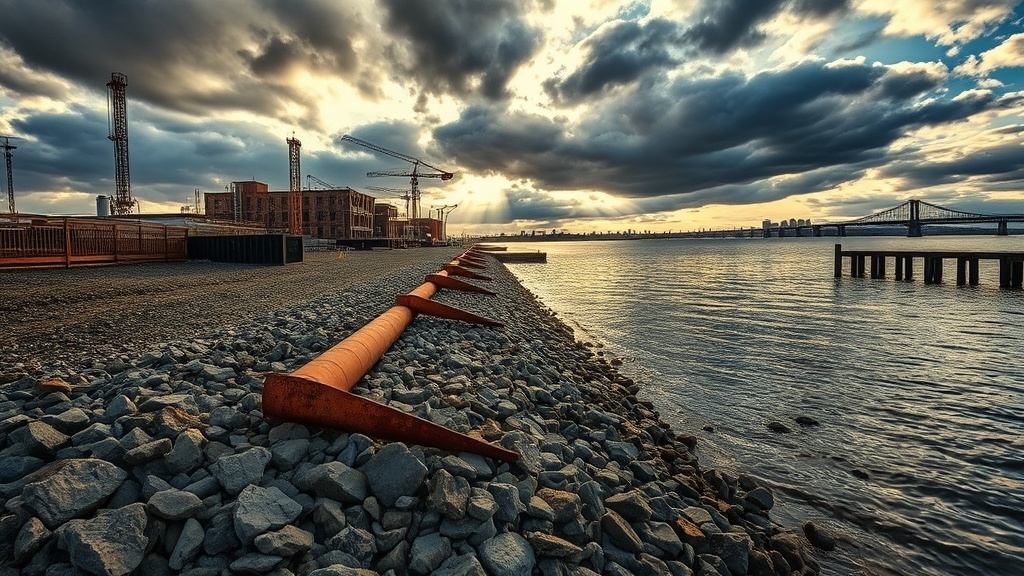
Rochester Waterfront Site: Location, Size, Price
A riverbank parcel at 151 Mount Hope Avenue sits on the eastern edge of the Genesee River, beside Genesee Gateway Park. New York’s RUSH initiative has also been funding waterfront-adjacent housing and connectivity projects elsewhere in the state.
The city’s request for proposals sets a submission deadline of April 13.
The nearly 2-acre site lies within Rochester’s Local Waterfront Revitalization Program boundary and the revitalization corridor.
It adjoins river trails and links toward Maplewood.
Site and Parcel Dimensions
Configuration and access
Flat topography and clear sight lines support efficient layout planning.
A direct waterfront edge and mixed-use zoning alignment frame near term market potential.
Price and Remediation Exposure
Sale terms
The city lists the property at $626,500, reflecting early-stage conditions.
Environmental and geotechnical work is estimated near $4 million, with up to $2 million reimbursable through an Empire State Development grant.
Developers remain responsible for the balance while preconstruction work precedes building.
Rochester Waterfront RFP: Required Uses and Public Benefits
With the 151 Mount Hope Avenue parcel priced and remediation exposure outlined, the city’s RFP now sets strict requirements on what can be built and what the public must receive.
Mixed use or homeownership is required, along with high-quality design and city environmental and geotechnical preparation.
Volatile construction pricing and inflation have fueled investor skepticism in other major waterfront redevelopments, sharpening the case for clear long-term financing plans.
Mandates
Proposals must maximize waterfront potential and demonstrate activation.
They must improve streetscapes and strengthen connectivity to downtown and the South Wedge.
Public Return
Plans must provide linkages among waterfront attractions, services, amenities, and neighborhoods.
Historic preservation must identify and protect historic, scenic, natural, and cultural resources.
Images
- Gateway sidewalks and lighting.
- Active ground floors on public space.
- Preserved artifacts within new buildings.
Up to $2 million from Empire State Development offsets site-prep costs.
What You Must Build: Boating, Trails, Shoreline Access
Because the 151 Mount Hope Avenue parcel sits inside the city’s Local Waterfront Revitalization Program boundary, proposals must treat boating, trail connectivity, and shoreline access as required program elements.
Water-dependent uses take priority.
Boating Access Pressure
Plans must increase boating activity with docks, launches, or marina operations, reflecting work underway at the Port of Rochester.
A maintenance plan and safety signage should limit user conflicts and protect coastal resources.
Underutilized shoreline sites receive special consideration for water-based recreation.
Trail and Shoreline Standards
Projects should strengthen links to the Genesee Riverway Trail and connect waterfront attractions to neighborhoods.
Design review applies landscaping, visual compatibility, and signage guidelines.
Shoreline reconstruction must create more natural river access while protecting fish and wildlife habitats where practical.
Project Feasibility: Environmental Costs and State Funding
Although the Rochester Embayment has been removed from the EPA list of Great Lakes Areas of Concern, waterfront projects still face elevated feasibility risk.
Persistent water quality disruptions remain a key factor.
Feasibility Exposure
Nutrient and E. coli spikes from the Van Lare plant can trigger Durand closures.
These closures can also depress ecosystem valuation.
Water level swings threaten Irondequoit Bay diffuser gains.
This can intensify environmental justice concerns as beach access narrows.
- Red closure flags
- Algae sheen
- Channels under testing
State Funding Offsets
Remediation funding includes nearly $14 million from the Great Lakes Restoration Initiative.
This support is restoring 275 acres and 30,000 feet of wetland channels.
Inside the 2017 LWRP boundary, Environmental Protection Fund and Department of State grants can offset costs.
These include monitoring and habitat protection expenses in project budgets.
How to Submit: Timeline and April 13, 2026 Deadline
By April 13, 2026, the City of Rochester requires final proposals for the 1.88-acre RFP site at 151 Mt. Hope Ave.
The window is about two months from February 18, 2026, and no extension is stated.
Plans should document boating increases and streetscape gains at Gateway.
RFP materials and contacts appear on the city website, including (585) 653-4020 and an email.
Packaging and Delivery Controls
A submission checklist typically covers waterfront maximization, mixed-use quality, shoreline access, and improved links to the Genesee Riverway Trail.
Presentation tips include clear site plans, public space diagrams, and concise phasing tied to the April 13 cutoff.
| Milestone | Focus | Channel |
|---|---|---|
| RFP review | scope, price $626,500 | city website |
| Final submit | complete proposal set | April 13 |
Assessment
Rochester’s waterfront offering now hinges on developer appetite for a complex, publicly conditioned site.
The RFP ties any deal to boating support, trail continuity, and year-round shoreline access.
Environmental remediation and permitting risk remain central, even with potential state assistance.
Pricing and parcel scale may attract regional firms, but timelines compress as April 13, 2026 approaches.
The next selection will shape public access and private returns along the city’s most visible edge going forward.
https://www.unitedstatesrealestateinvestor.com/rochester-seeks-waterfront-developer-prime-site-up/?fsp_sid=32071


Comments
Post a Comment